Exploring the natural world reveals a fascinating array of produce, including several fruits that start with v. While many common grocery store staples begin with more frequent letters, the V-category offers a diverse selection of exotic, flavorful, and nutritionally dense options. From the aromatic pods used in baking to tropical delicacies with unique textures, these botanical specimens are worth discovering.
Word ListsOctober 27, 2026
Fruits That Start With V: A Guide to Unique Botanical Varieties
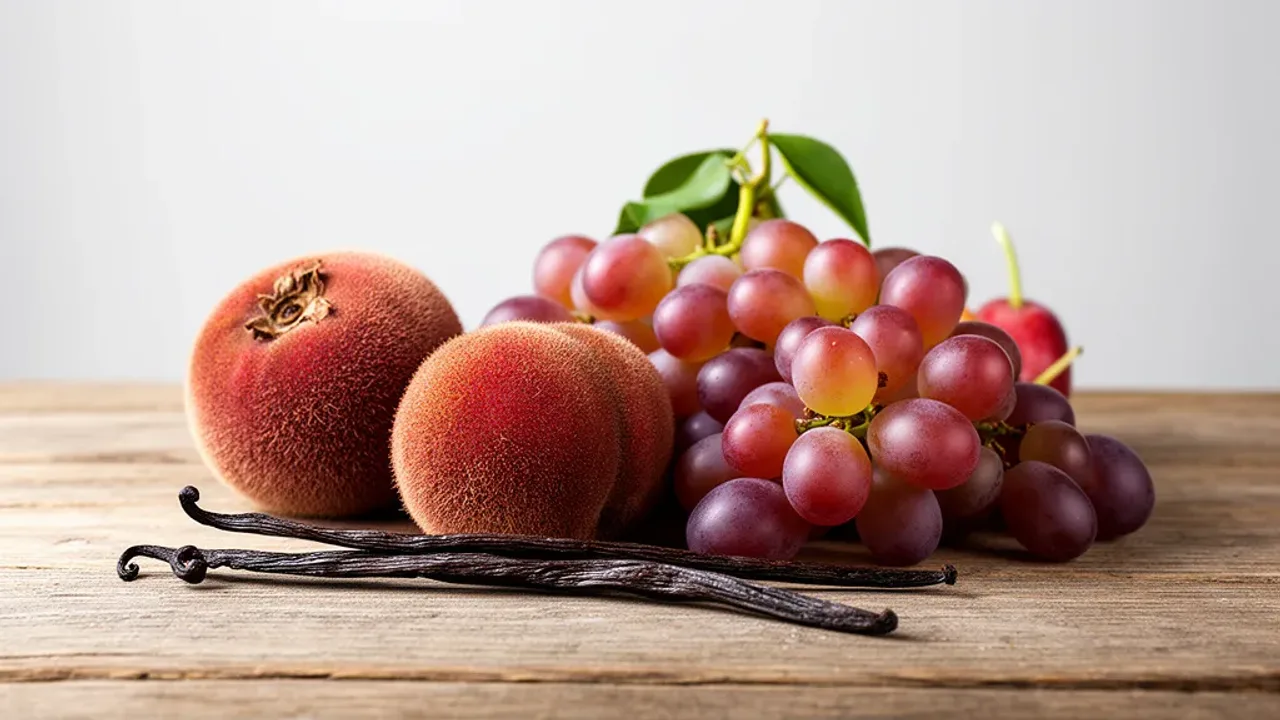 AI-generated image
Key Takeaways:
- Vaccinium, Velvet Tamarind, and Vanilla Bean are primary examples of this botanical group.
- The Velvet Tamarind is recognized by its hard shell, while the Vanilla Bean is botanically classified as a fruit.
- When selecting specimens for your kitchen, look for firm textures and vibrant colors.
- Many of these plants are native to tropical regions and offer unique nutritional profiles.
Concise Summaries for Quick Reference
Understanding the basic characteristics of these items helps in identifying and selecting them during your next market visit. Each entry offers a distinct profile that contributes to global culinary traditions.
- Velvet Tamarind: A small, dark-skinned fruit characterized by a tangy, sweet-tart pulp protected by a hard, brittle shell.
- Vanilla Bean: Technically the fruit of a climbing orchid, these pods contain tiny seeds that provide the essential flavor for countless desserts and beverages.
- Voavanga: A round, green fruit native to parts of Africa, often utilized in traditional regional cooking for its unique flavor.
- Vaccinium: This genus comprises a wide variety of berries, including blueberries, cranberries, and bilberries, known for their high antioxidant content.
- Velvet Apple: Native to the Philippines, this fruit features a reddish-brown, fuzzy skin and sweet, soft, aromatic flesh.
- Vitis vinifera: The scientific name for common grapes, spanning thousands of varieties used for fresh eating, drying into raisins, or fermentation.
- Vangueria infausta: Also known as the wild medlar, this fruit is a staple in various southern African landscapes and is enjoyed for its pleasant, mild taste.
Comparison of Selected Varieties
Choosing the right fruit depends on your specific culinary needs. The following table highlights common characteristics to assist with your selection process.
| Name | Texture | Typical Usage |
|---|---|---|
| Velvet Tamarind | Hard shell/Tangy pulp | Direct snacking |
| Vanilla Bean | Aromatic/Infused seeds | Baking and pastry |
| Voavanga | Firm/Green skin | Traditional recipes |
| Vaccinium (Blueberry) | Soft/Juicy | Smoothies or baking |
| Velvet Apple | Fuzzy/Soft flesh | Fresh fruit salads |
Playful and Humorous Descriptions
Finding fruits that start with v can feel like a genuine treasure hunt. It is a fun challenge for any food enthusiast.
- If your fruit bowl feels boring, you have not met the velvet apple yet.
- Finding fruits that start with v is like a scavenger hunt for your taste buds.
- Voavanga sounds like a secret code.
- Forget the apple that keeps the doctor away; the velvet apple starts a conversation.
- Ask for Vangueria infausta at the store to sound fancy. It works.
- Nature loves variety.
- Keep it simple.
- Taste the adventure.
- It is quite exotic.
- Enjoy the crunch.
Formal and Botanical Overview
Botanical classification provides clarity regarding the origins of the produce we consume. The genus Vitis, for instance, represents one of the most economically significant groups in the fruit world, as noted by Encyclopedia Britannica. Similarly, the study of legumes like the velvet bean (Mucuna pruriens) highlights the intersection of agriculture and nutrition, a topic frequently addressed by the Food and Agriculture Organization.
The velvet apple (Diospyros blancoi) is an edible fruit belonging to the ebony family. Its unique skin texture is a defining characteristic that differentiates it from other members of the Diospyros genus. When examining these specimens, it is essential to consider their regional adaptations and the environmental conditions required for optimal growth, as outlined in technical resources like the USDA Plants Database.
Creative and Poetic Interpretations
Nature often inspires art and literature. These fruits serve as symbols of seasonal change and the abundance of the earth.
- Velvet cloaks a summer treat; the apple hides a flavor so sweet.
- In gardens where shadows play, the Voavanga ripens in the light of day.
- Like a secret whispered by the vine, the grape remains a gift both bold and fine.
- Soft as a dream, the velvet fruit makes the harvest fun.
- From the orchid’s bloom comes the bean of gold; a story of flavor never grows old.
- Taste the sun.
- Life is sweet.
- Nature is art.
- Grow with grace.
- Harvest the joy.
Guidelines for Preparation and Storage
Proper handling ensures that your produce remains fresh and maintains its nutritional value. Follow these steps to get the best results:
- Inspect the skin to ensure there are no signs of spoilage or deep bruising.
- Wash all fresh produce thoroughly under cool, running water to remove surface debris.
- Store in a cool, dry place to maintain flavor and prevent premature ripening.
- Consult botanical guides if you are unsure about the specific ripeness stage of tropical varieties.
- Keep delicate berries like Vaccinium in the refrigerator to extend their shelf life.
- Use airtight containers for vanilla beans to preserve their aromatic oils.
- Allow velvet apples to reach room temperature before serving to enhance their natural sweetness.
- Avoid overcrowding items in your fruit bowl to ensure proper air circulation.
- Check seasonal availability at your local market to ensure you are buying peak-quality produce.
Frequently Asked Questions
Are there many varieties available?
While not as common as other groups, there are several distinct varieties. These provide a wide range of culinary possibilities for those looking to expand their palate.
Is the Vanilla Bean considered a fruit?
Yes. Vanilla Bean pods are the fruit of the vanilla orchid. This is widely recognized in science and is a fascinating fact about common pantry staples.
Where can I find these items?
Check specialty markets, tropical produce stores, or regional farmers' markets. Availability often depends on the growing season and regional climate conditions.
What is the most common variety?
The grape, belonging to the genus Vitis, is the most recognizable of these fruits. It is cultivated globally for fresh eating, drying, and juice production.
How should I store the Velvet Tamarind?
The Velvet Tamarind has a hard, protective shell. Store it in a cool, dry environment away from direct sunlight to preserve the internal pulp.
Are these fruits safe for everyone?
Most are, but always check for personal allergies. Consult a healthcare professional if you have concerns regarding specific dietary inclusions.
Summary
Exploring rare botanical varieties offers a unique opportunity to expand your culinary repertoire. Always prioritize selecting firm, high-quality specimens to ensure the best experience.
Share: