Ten tons is equivalent to 20,000 pounds or approximately 9,072 kilograms. When researching how heavy is 10 tons, it is essential to distinguish between the US short ton and other international units of mass to ensure accuracy in industrial, logistical, and construction contexts.
MeasurementsOctober 23, 2026
How Heavy Is 10 Tons? 20,000 Pounds Explained
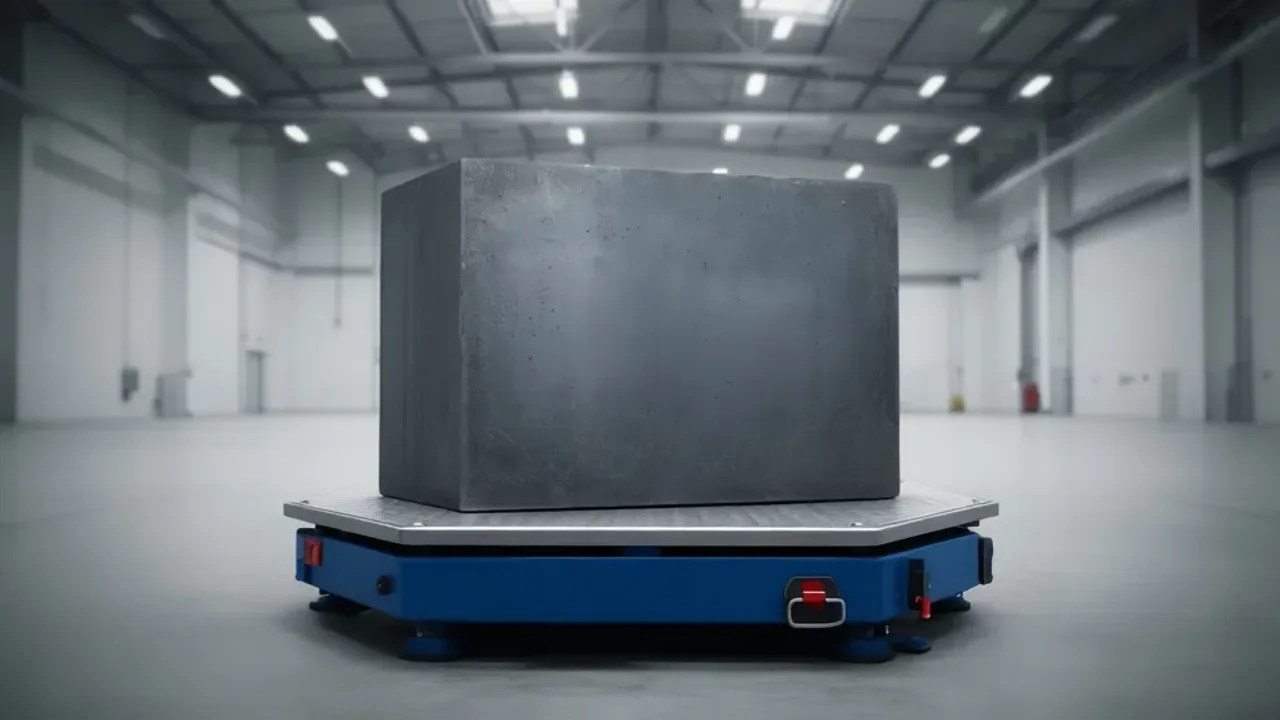 AI-generated image
Key Takeaways:
- Ten tons equals exactly 20,000 pounds in the US customary system.
- The metric equivalent is approximately 9,072 kilograms or 9.07 metric tonnes.
- Always verify equipment load ratings before attempting to transport or lift 10-ton materials.
- The short ton is the standard unit of measurement for industrial freight in the United States.
Understanding Mass and the US Ton
To understand the weight of 10 tons, one must first define the specific unit of measure. In the United States, the term "ton" almost universally refers to the "short ton." A single short ton is defined as 2,000 pounds. Therefore, the calculation of 10 tons is a straightforward multiplication: 10 multiplied by 2,000 equals 20,000 pounds.
This unit is the backbone of the American freight and shipping industry. Whether you are dealing with aggregate materials like sand and gravel, or heavy steel components in a manufacturing facility, the short ton provides a consistent baseline for trade and safety regulations. When engineers design a bridge or a loading dock, they calculate the maximum load capacity in these units to prevent structural failure.
It is important to recognize that weight and mass are often used interchangeably in casual conversation, though they represent distinct physical concepts. In the context of 10 tons, we are discussing a specific amount of matter that exerts a force due to gravity. This force is what load-bearing equipment must counteract. When you ask how heavy is 10 tons, you are essentially asking about the force required to lift or support that amount of material.
| Unit System | Equivalent Value for 10 Tons |
|---|---|
| US Short Tons | 10 tons |
| Pounds (lb) | 20,000 pounds |
| Kilograms (kg) | 9,071.85 kilograms |
| Metric Tons (tonnes) | 9.07 metric tons |
The Technical Distinction: Short Tons vs. Metric Tons
One of the most common sources of confusion in global logistics is the difference between the US short ton and the metric ton, often referred to as a "tonne." While they share the same name, they are not identical. A metric ton is defined as 1,000 kilograms. Since one kilogram is approximately 2.2046 pounds, a metric ton is roughly 2,204.6 pounds.
If you are operating in an international environment, failing to distinguish between these two can lead to significant errors. For example, if a shipping container is rated for 10 metric tons, it can support approximately 22,046 pounds. If an operator mistakenly assumes the US short ton standard, they might underestimate the capacity of the equipment by over 2,000 pounds. This margin of error is dangerous.
Always verify the unit system used by the manufacturer of your lifting or transport equipment. Most US-based equipment will use the short ton, while international machinery will often default to metric standards. Precision in these specifications prevents accidents and ensures that equipment operates within its safe working load limits.
Practical Applications and Safety Protocols
Managing a mass of 20,000 pounds requires substantial infrastructure. Whether you are moving industrial machinery, construction waste, or raw materials, the logistics must be handled with extreme care. Heavy loads demand respect. Consider these safety requirements when handling materials of this weight:
- Ensure lifting equipment is rated for a minimum of 10 tons.
- Check the structural integrity of all surfaces, including floors and trailers.
- Use heavy-duty transport vehicles specifically designed for industrial capacities.
- Confirm that all safety protocols are strictly followed by trained personnel.
The process of moving such a load involves several critical steps to ensure stability and safety. First, the load must be centered. An off-balance load can tip a crane or cause a trailer to jackknife during transit. Second, the friction between the load and the surface must be managed. High-friction mats are often used to prevent sliding during acceleration or braking.
- Verify the weight of the cargo using a certified industrial scale before transport.
- Distribute the weight evenly across the transport platform to maintain the center of gravity.
- Secure the load using industry-standard straps or chains rated for the specific tension required.
- Conduct a final inspection of all connection points and hitches.
For those involved in construction or demolition, 10 tons is a common increment for dump truck capacity. A standard tri-axle dump truck can often carry between 10 and 15 tons, depending on the material density. Understanding the relationship between volume and weight is vital here. Ten tons of feathers would occupy a massive volume, while 10 tons of steel would be relatively compact. The density of the material determines how the load is distributed in the vehicle bed.
Frequently Asked Questions
How many pounds are in 10 tons?
There are exactly 20,000 pounds in 10 US short tons. This follows the standard US definition where one ton is equal to 2,000 pounds. This is the most common way to measure heavy freight within the United States.
Is 10 tons the same as 10 metric tons?
No, they are different. US short tons are lighter than metric tons. A metric ton equals 1,000 kilograms, or approximately 2,204.6 pounds, which means 10 metric tons equal 22,046 pounds. Always check your unit labels carefully.
How do I convert 10 tons to kilograms?
To convert 10 US short tons to kilograms, you multiply the mass by 907.185. This calculation results in exactly 9,071.85 kilograms. This constant is useful for international engineering projects.
What type of equipment handles 10 tons?
Large cranes, industrial dump trucks, and heavy-duty freight platforms are commonly used to handle 10-ton loads. These machines are engineered for heavy-duty tasks. They utilize hydraulic systems to manage these forces safely.
Why does the unit definition matter in logistics?
Different systems use different standards. Using the correct unit ensures accuracy in engineering and prevents equipment failure. Mistakes cause serious problems in industrial environments. Consistency is key.
Summary
Ten tons represents a mass of 20,000 pounds within the US customary system. When considering how heavy is 10 tons, always confirm your equipment's load rating for safety and compliance with structural limits.
Share: