The quest to categorize the natural world often leads enthusiasts to explore specific letters of the alphabet. Discovering animals that start with i provides a fascinating look into the immense biological diversity found across our planet. From the sun-drenched branches occupied by reptiles to the dense, vocal canopies of lemur habitats, these species showcase unique evolutionary adaptations. This guide serves to provide a detailed overview of various species, their behaviors, and the importance of their preservation in the wild.
Word ListsOctober 24, 2026
Animals That Start With I: A Comprehensive List of Species
 AI-generated image
Key Takeaways:
- Biological diversity is well-represented by animals that start with i, spanning various sizes and complex environments.
- Effective observation requires a firm understanding of the natural habitat of each specific species.
- Conservation efforts remain essential for protecting vulnerable populations within their natural habitat.
- Public institutions and research centers offer structured opportunities for learning about these animals.
Short and Descriptive Animal Profiles
Understanding the variety found within this alphabetical group begins with identifying individual species and their primary characteristics. Each entry highlights a distinct animal, providing a snapshot of its life.
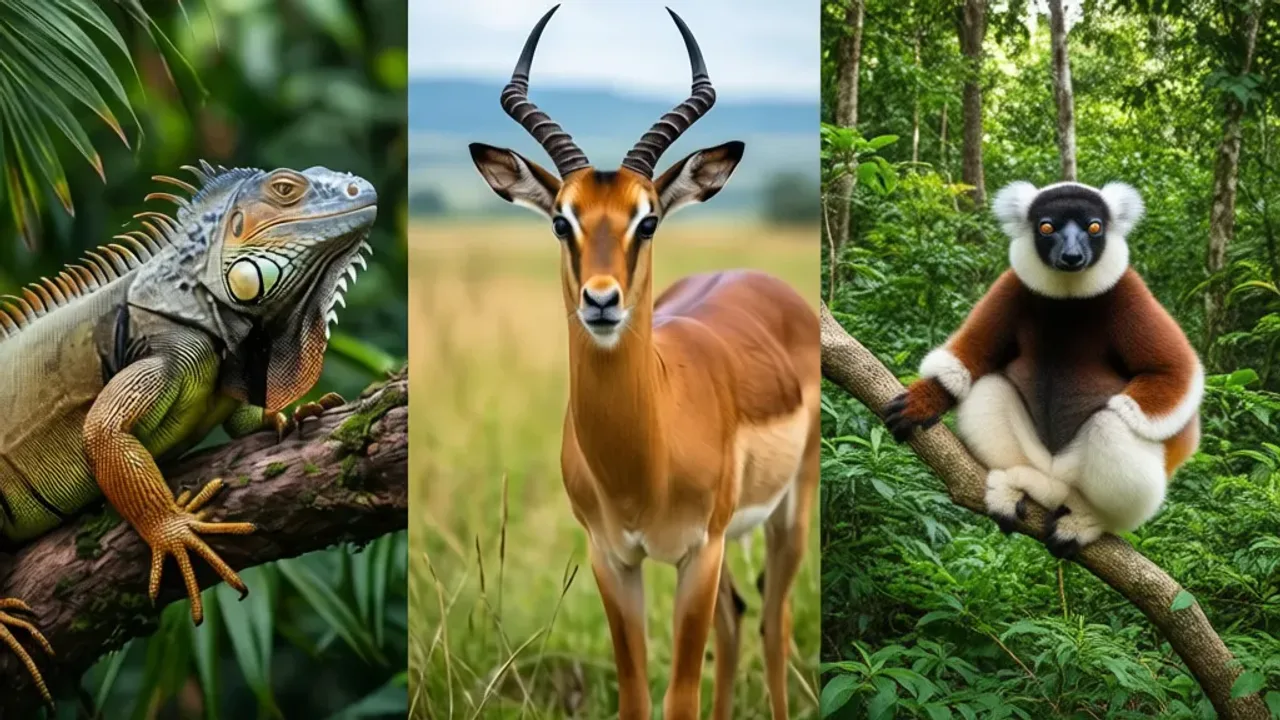
- The iguana is a large, herbivorous lizard known for its ability to swim and climb trees with remarkable ease.
- Impala are graceful, medium-sized antelopes that can leap over 30 feet in a single bound to evade predators.
- The indri is a large lemur native to Madagascar, recognized instantly by its haunting, melodic vocalizations.
- Ibis are long-legged wading birds frequently found near wetlands, marshes, and coastal areas across the globe.
- Insects like the inchworm are fascinating examples of moth larvae that move by looping their bodies.
- The Indian rhinoceros is a massive mammal characterized by a single horn and thick, armored skin.
- Ivory gulls are hardy, beautiful birds that thrive in the harsh and frozen conditions of the Arctic.
- Isopods are diverse crustaceans that can be found in environments ranging from the deep ocean floor to damp garden soil.
- The impundulu, or lightning bird, appears in various cultural mythologies as a powerful, avian-like entity.
- Irukandji jellyfish are tiny, extremely venomous marine creatures found in the waters off the coast of northern Australia.
Playful and Humorous Animal Facts
Nature often presents us with behaviors that seem quirky or outright humorous. These facts remind us that even the most serious species have their unique charm.
- Iguanas might look perpetually grumpy, but they are simply soaking up the warmth to regulate their body temperature.
- If an impala starts jumping, it is likely showing off its athletic skills to the rest of the herd to signal fitness.
- An inchworm is not actually a worm at all, but a moth caterpillar with an identity crisis of sorts.
- The indri is the loudest lemur in the forest; it truly knows how to make its presence known during the morning hours.
- Ibis spend their days poking around in the mud, acting like professional treasure hunters searching for snacks.
- Indian rhinos wear their thick skin like a suit of armor, looking ready for any intense adventure in the grasslands.
- Isopods are the ultimate cleanup crew, turning decaying matter into a tidy, nutrient-rich forest floor.
- Ivory gulls are surprisingly picky eaters, often following polar bears to scavenge remnants of their hunts.
Educational and Formal Synopses
For those seeking a more scientific understanding of these species, the following synopses provide deeper insights into their ecological roles and status.
- The Iguana genus encompasses several species of herbivorous lizards that play a vital role in their tropical habitats by dispersing seeds.
- Impala populations serve as a keystone species in African savannas, acting as a primary food source for many large predators.
- Indri populations are currently threatened by the loss of their natural habitat, requiring significant conservation efforts to maintain their numbers.
- The Ibis family, scientifically known as Threskiornithidae, consists of birds with long, down-curved bills adapted for probing soft mud.
- Indian rhinoceroses are currently listed as vulnerable by the IUCN, with protected sanctuaries serving as essential refuges for the species.
- Isopods exhibit a wide range of biological adaptations, allowing them to occupy niches from the deep ocean floor to damp garden soil.
- Ivory gulls are specialized predators that rely heavily on stable sea ice for their foraging and nesting success.
- Irukandji jellyfish studies are critical for marine safety, as their venomous sting poses a significant risk to swimmers in certain regions.
Comparison of Selected Species
Comparing various species helps in understanding their diverse environmental needs and physical differences. The table below outlines key traits for three prominent examples.
| Animal | Primary Environment | Key Characteristic |
|---|---|---|
| Iguana | Tropical | Excellent climber |
| Impala | Savanna | Athletic leaper |
| Indian Rhinoceros | Grasslands | Armored skin |
Preparation for Field Observation
Observing wildlife in its natural habitat is an rewarding experience. Proper preparation ensures that the interaction remains safe for both the observer and the animal.
- Research the natural habitat extensively before departing for your journey to understand the species' behavior.
- Bring high-quality binoculars to ensure a safe, non-intrusive observation from a distance.
- Check the official admission price for any zoo or research center if you are visiting a managed facility.
- Maintain absolute silence during your visit to avoid disturbing the natural behavior of the subjects.
- Use an observation deck if available to secure a better angle for your camera and field notes.
- Wear neutral-colored clothing that blends into the surrounding environment to avoid drawing attention.
- Always keep a safe distance from large mammals like the Indian rhinoceros to prevent dangerous encounters.
Rhyming Descriptions for Children
Rhymes offer a fun way for younger readers to engage with the natural world and remember key details about these creatures.
- The iguana climbs up high, beneath the sunny, bright blue sky.
- The impala takes a giant leap, while all the other animals sleep.
- The indri sings a song so loud, standing tall and feeling proud.
- The ibis walks with elegant grace, finding food all over the place.
- An inchworm measures the length of a leaf, bringing the garden relief.
- The rhino stands with skin so thick, moving slow and never quick.
- The isopod hides under a stone, happy to be there all on its own.
- The ivory gull flies over the snow, watching the chilly currents flow.
Engaging Social Media Captions
Sharing your wildlife experiences online can inspire others to appreciate nature. Use these short, engaging captions for your photos.
- Spotting an iguana in the wild is always a highlight of the day!
- Did you know impalas can jump 30 feet? Nature’s own high jumpers!
- The indri’s call is the soundtrack of the forest. Simply beautiful.
- Just hanging out with the ibis at the local wetland today.
- Inchworms: small, mighty, and surprisingly determined creatures.
- Respect the armor of the Indian rhino, a true giant of the grasslands.
- Isopods are the unsung heroes of the soil. Give them some love!
- Arctic views with the ivory gull, a true bird of the north.
Creative and Narrative Animal Sketches
Narrative sketches allow us to imagine the lives of these animals in their daily routines, providing a window into their silent, wild worlds.
- In the heat of the afternoon, the iguana remains perfectly still, a statue of green scales against the bark.
- The impala herd moves like a flowing river across the plains, silent and alert to every shifting breeze.
- Deep in the canopy, the indri watches the world with wide, amber eyes before letting out a resonating call.
- The ibis stands at the water's edge, its bill a precise tool for finding hidden meals beneath the silt.
- An inchworm measures the length of a leaf, one tiny step at a time, oblivious to the vast world around it.
- The Indian rhino lumbers through the tall grass, a prehistoric shadow reflecting the endurance of its kind.
- Beneath the damp leaves, the isopod scurries away, a tiny armored traveler in a world of giants.
- The ivory gull glides over the dark sea, a flash of white against the gray, icy horizon.
Selection Tips for Enthusiasts
Choosing the right description or educational focus depends on your specific goal. Whether you are creating a school presentation or simply enjoying the outdoors, clarity is essential. Always keep the audience in mind to ensure the language resonates with the intended readers. Using varied lengths and styles helps maintain interest throughout your content, ensuring that the information remains accessible and engaging for everyone involved.
Frequently Asked Questions
What defines the most common of the animals that start with i?
The iguana is widely recognized by the general public due to its popularity as a pet and its frequent presence in tropical regions. It is often the first example cited by researchers and enthusiasts alike when discussing this specific group according to the World Wildlife Fund.
Are all these species strict herbivores?
No, the diet varies significantly among these groups. For example, the ibis is an omnivore that eats insects and small creatures, while the impala is primarily an herbivore, as noted in studies by National Geographic.
Where can I find more information about these species?
You can find extensive information in biological encyclopedias and through reputable wildlife conservation organizations like the IUCN. Their reports are standard for conservationists, while Smithsonian Institution resources provide deeper biological context.
Are there endangered species included in this group?
Yes, many species face challenges in their natural habitat. The indri is currently listed as a species that requires significant conservation efforts to prevent further population decline, a fact highlighted by data from the American Museum of Natural History.
Can I see these animals at a local facility?
Many zoos, such as the LA Zoo, house various species, including rhinos and iguanas. You should verify the admission price and hours of operation at the LA Zoo official site before planning your trip to ensure a smooth experience.
Understanding the diverse nature of animals that start with i requires both research and respectful observation. Always prioritize the well-being of the species by respecting their natural habitat during any field study or visit.
Share: