The Japanese phrase "yamete kudasai" translates to "please stop" in English. It serves as a polite yet firm request for someone to cease an ongoing action. Understanding the yamete kudasai meaning is essential for anyone looking to navigate basic Japanese social interactions with clarity and grammatical precision.
MeaningsNovember 9, 2026
Yamete Kudasai Meaning: What Does This Japanese Phrase Mean?
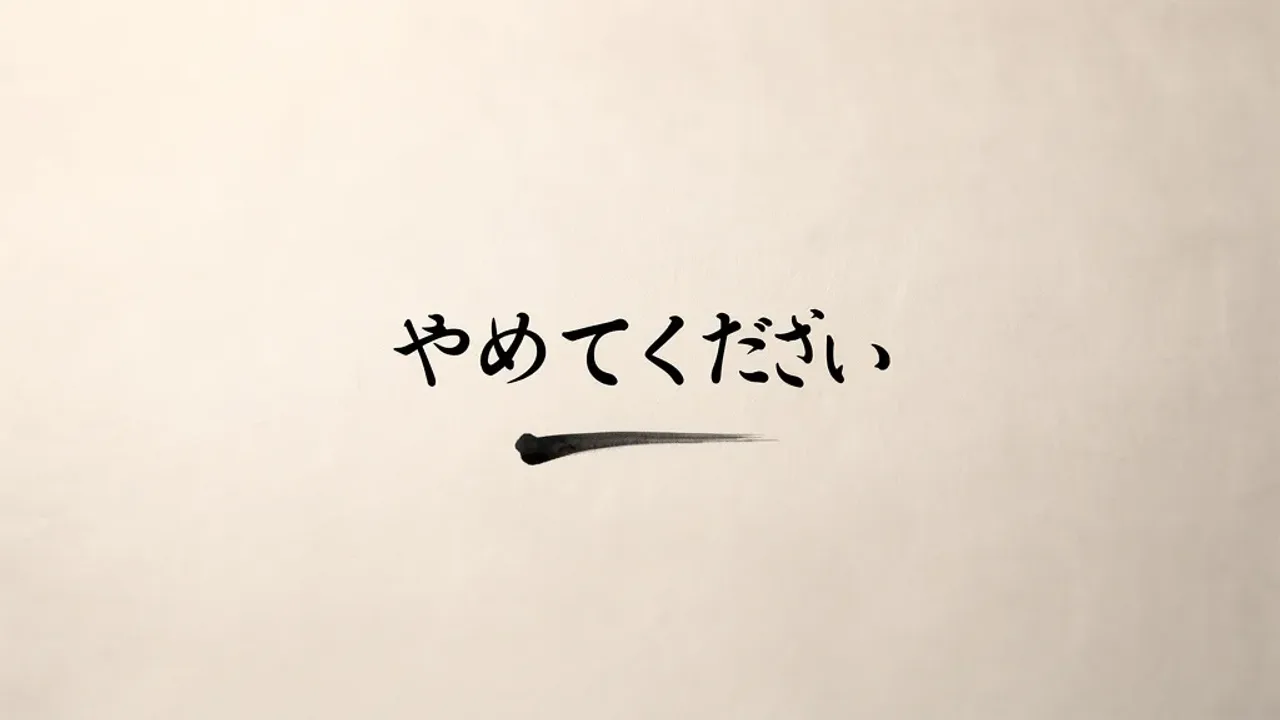 AI-generated image
Key Takeaways:
- The phrase directly translates to "please stop."
- It combines the verb "yamete" (to stop) with the polite modifier "kudasai."
- The term is used to request the cessation of an action in a formal manner.
- Context and tone are essential for determining the perceived urgency of the request.
This expression is composed of the verb "yamete," which is the te-form of "yameru" meaning to stop or quit, and "kudasai," a standard polite modifier used to make a request. It is a common grammatical construction in Japanese that allows a speaker to ask others to stop a behavior in a way that remains grammatically formal while retaining the direct intent of the request. Because the yamete kudasai meaning relies on this combination of a verb and a polite suffix, it is widely recognized as a standard way to set boundaries in conversation. It is quite effective.
How to Use It
Using this phrase correctly requires matching the intensity of the situation with the polite structure of the Japanese language. While the phrase itself is polite, the delivery can change the nuance of the request. Here are examples of how it is used in sentences:
- "Yamete kudasai, it is too loud."
- "That makes me uncomfortable, yamete kudasai."
- "Yamete kudasai, I am trying to focus."
- "Please, the noise is distracting, yamete kudasai."
Comparison of Usage Levels
Language nuance depends on the level of politeness chosen by the speaker. The table below outlines how the choice of words impacts the social tone of the request.
| Term | Tone | Politeness Level |
|---|---|---|
| Yamete | Blunt/Informal | Low |
| Yamete kudasai | Standard/Polite | Medium |
Tips for Proper Communication
Effective communication in a foreign language often requires more than just knowing definitions. Here are several practical tips to keep in mind when using this expression:
- Use the phrase when you need to request someone to stop an action clearly.
- Maintain a consistent tone to ensure your intent is understood alongside the polite grammar.
- Keep in mind that while the grammar is formal, the message remains a direct request to cease an activity.
- Observe the non-verbal cues of the person you are addressing to ensure the request is taken seriously.
- Consider the setting; in highly formal business environments, other phrases might be more appropriate.
Frequently Asked Questions
What is the difference between yamete and yamete kudasai?
"Yamete" is the informal, blunt version of the command, essentially meaning "stop." By adding "kudasai," the speaker transforms the demand into a polite request, which is the standard way to address someone in most social situations.
Is yamete kudasai considered rude?
The phrase itself is grammatically polite because of the inclusion of "kudasai." However, the perceived level of politeness can depend on the tone of voice used when speaking to another person. Context matters significantly here.
Can yamete kudasai be used in formal settings?
While "yamete kudasai" is polite, it is still a direct request to stop an action. In extremely formal business or professional contexts, other phrases may be more appropriate, but it remains a standard way to express a request to cease an activity. Use it with care.
Is this phrase common in daily conversation?
Yes, it is a frequently used construction in the Japanese language for expressing a desire for someone to stop doing something. It is widely understood and used across various social interactions. People use it to express boundaries.
Does the meaning change based on the speaker's gender?
The core meaning of the phrase does not change based on the gender of the speaker. It is a neutral expression that functions the same way regardless of who is using it. It is a universal tool.
Grasping the yamete kudasai meaning provides a clear method for requesting someone to stop an action in a grammatically polite way. Always remember that your tone of voice is just as important as the words chosen to ensure your request is received as intended.
Share: