Choosing the right produce for your kitchen often involves exploring specific categories, and many people look for fruits that start with c to diversify their dietary intake. These options provide a wide array of textures, colors, and nutritional profiles suitable for various culinary applications.
Word ListsNovember 8, 2026
A Complete List of Delicious Fruits That Start With C
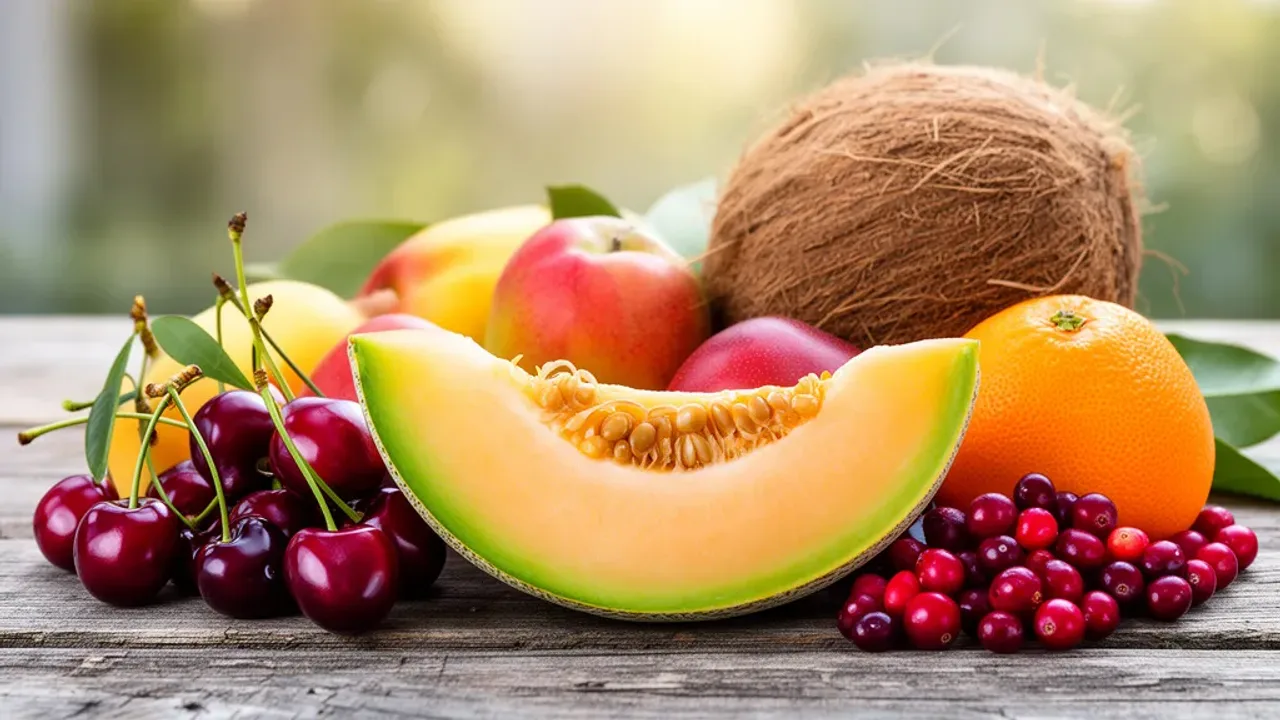 AI-generated image
Key Takeaways:
- Diverse options exist for those seeking fruits that start with c to enhance their meals.
- Proper handling of produce ensures peak freshness and quality for all consumers.
- Flavor profiles range from tart cranberries to sweet cherries and tropical coconuts.
- Routine inspection and storage are essential steps for maintaining high-quality produce.
Short and Descriptive Lists
When you are looking for quick inspiration, having a curated list is incredibly helpful. These fruits offer a variety of flavors and uses in your daily cooking routine.
- Cherries: Famous for their bright red skin and juicy, sweet interior.
- Cranberries: Small, tart, and perfect for holiday sauces or dried snacking.
- Cantaloupes: Refreshing melons with a sweet, orange-colored flesh.
- Clementines: Tiny, easy-to-peel citrus fruits that are consistently sweet.
- Coconuts: Versatile tropical fruits used for milk, oil, and shredded meat.
- Currants: Small, intense berries that add a sharp zing to baked goods.
- Crabapples: Firm, tart fruits often used in jams and preserving.
- Citrons: Ancient citrus varieties prized for their thick, aromatic peel.
- Cloudberries: Rare, amber-colored berries found in northern marshlands.
- Cherimoyas: Creamy, tropical fruits often described as having a custard-like texture.
Playful and Fun Descriptions
Sometimes, food is about more than just nutrition; it is about the experience. These descriptions highlight the personality of each item in the category.
- Cherries are nature’s candy. They offer a vibrant red color and a satisfying snap with every bite.
- Coconuts bring a tropical breeze to your kitchen. Their water is refreshing, and the meat is deeply satisfying.
- Clementines are the perfect bite-sized sunshine. They peel easily, making them a favorite for busy days.
- Cantaloupes offer a cooling, melon-filled experience. They are the ideal partner for a warm, sunny afternoon.
- Cranberries pack a tart punch. They brighten every dish with their deep, festive hue and unique acidity.
- Currants are tiny spheres of intensity. They add a sharp, delightful zing to every bite of your dessert.
- Cloudberries provide a rare, delicate sweetness. Finding them feels like discovering a hidden treasure.
- Crabapples are small but mighty. Their firm texture makes them the perfect candidate for homemade preserves.
- Citrons possess a thick, aromatic rind. They elevate any culinary creation with a bright, citrusy scent.
- Cherimoyas feel like a decadent treat. Their texture is remarkably smooth, almost like a chilled custard.
Formal and Botanical Profiles
Understanding the biology behind your food can improve your appreciation for the harvest. Here is a look at the technical side of these fruits.
- The cherry is a stone fruit. It belongs to the genus Prunus and is widely cultivated in temperate regions.
- Coconuts, classified as Cocos nucifera, provide essential fats and hydration, thriving in various tropical climates.
- Cranberries are evergreen dwarf shrubs. They thrive in acidic bogs, particularly throughout North America.
- Cantaloupes, a variety of Cucumis melo, are primarily composed of water, making them excellent for hydration.
- Clementines are a hybrid of a willowleaf mandarin orange and a sweet orange, prized for being seedless.
- Citrons are among the original citrus fruits. They are characterized by their thick, aromatic rinds.
- Currants belong to the family Grossulariaceae. They are known for their high concentration of vitamins.
- Cloudberries are herbaceous plants that yield amber-colored fruits in northern, arctic marshlands.
- Crabapples are small pomes that are technically part of the Malus genus, known for their high pectin.
- Cherimoyas are tropical fruits belonging to the Annonaceae family, native to the Andes.
Comparison of Common Fruits
When planning your grocery run, it is useful to compare how different items perform in the kitchen. The table below outlines some primary characteristics.
| Fruit Name | Primary Flavor | Best Use |
|---|---|---|
| Cherry | Sweet/Tart | Baking |
| Cantaloupe | Mild/Sweet | Fresh Eating |
| Cranberry | Very Tart | Sauces/Juices |
| Clementine | Sweet/Citrus | Snacking |
| Coconut | Nutty/Creamy | Cooking/Baking |
| Currant | Sharp/Tart | Preserves |
Recommended Preparation Steps
Taking the time to prepare your produce correctly guarantees the best results. Follow these steps to ensure your fruits remain at their best.
- Inspect the skin for bruising or soft spots before purchasing.
- Wash all produce under cool, running water to remove surface debris.
- Keep cantaloupes in a cool place until sliced, then move them to the refrigerator.
- Refrigerate cherries immediately to maintain their crisp, firm texture.
- Store clementines at room temperature for a few days or refrigerate for longer life.
- Remove cherry pits before baking to create a pleasant eating experience for guests.
- Drain excess coconut liquid carefully before using the meat in your recipes.
- Pat all berries, especially cranberries, dry after washing to prevent premature spoilage.
- Zest citrons using a sharp microplane, avoiding the bitter white pith located underneath.
- Slice cantaloupes into uniform pieces to ensure consistent flavor in your fruit bowls.
Creative and Poetic Snippets
Food is art. These snippets capture the essence of what makes these specific fruits so special in our culinary culture.
- Crimson cherries dance on the branch, waiting for the harvest of the morning sun.
- A coconut shell holds a hidden sea, cool and sweet beneath the palm tree shade.
- Tart cranberries glow like embers in the winter frost, coloring the landscape with joy.
- The cantaloupe vine stretches across the earth, cradling golden globes of sugary fruit.
- Sunlight captured in a clementine peel, ready to brighten the darkest winter day.
- Small currants hang like dark jewels, waiting to be woven into a summer delight.
- The citron rind holds the scent of distant orchards, perfuming the air with citrus magic.
- Cloudberries shine like golden dew upon the mossy ground of a quiet, northern meadow.
- Crabapples cling to the branches in autumn, painted with the colors of the setting sun.
- Nature provides a bountiful harvest, each fruit a unique gift for the observant chef.
Casual and Conversational Blurbs
Sometimes you just need a simple recommendation. Here are some casual thoughts on how to enjoy these items every day.
- Grab a handful of cherries for a snack that is both simple and incredibly satisfying.
- Toss some coconut into your morning oats for an instant tropical upgrade.
- Clementines are my favorite snack to keep on the counter for an easy grab-and-go option.
- Nothing beats the refreshing, cold taste of cantaloupe on a warm, sunny day.
- Fresh cranberries add the perfect amount of tartness to your favorite muffin recipes.
- Currants are tiny but mighty, adding a unique texture and flavor profile to your baking.
- Citron zest is a secret weapon for adding a sophisticated, aromatic layer to sweet desserts.
- Cloudberries are a rare find, but they bring a sense of wonder to any gourmet platter.
- Crabapples make excellent winter jelly that pairs beautifully with fresh bread.
- Enjoying a wide variety of fresh fruits allows you to experience the full spectrum of nature's flavors.
Quick Facts for Culinary Context
When you are in the kitchen, these quick facts can help you make better decisions about how to utilize your ingredients.
- Cherries: Best enjoyed fresh or pitted for baking into delicious, warm pies.
- Coconut: Used extensively for its milk, oil, and versatile shredded meat in tropical cooking.
- Cranberries: Frequently processed into sauces or juices due to their high natural acidity.
- Cantaloupes: Ideal for fruit salads, blending into smoothies, or eating raw with a spoon.
- Clementines: Renowned for being easy to peel, making them the ultimate lunchbox fruit.
- Citron: Primarily utilized for its zest and candied peel in traditional confectionery arts.
- Currants: Dried versions are often used as a direct substitute for raisins in baking.
- Cloudberry: A delicacy often used in jams and desserts within specific northern regions.
- Crabapples: Their high pectin content makes them ideal for setting homemade jams and jellies.
- General: Proper handling of these items ensures that the flavor remains sharp and distinct.
Selecting the Right Fruit
Choose your fruit based on the specific flavor profile you desire, whether it is the tartness of cranberries or the sweetness of cherries. Consider the texture and intended use, such as baking, raw snacking, or refreshing beverages. Always select produce that appears firm and vibrant to ensure the highest quality for your recipes.
Frequently Asked Questions
What is the best way to determine if a cantaloupe is ripe?
A ripe cantaloupe emits a sweet, pleasant aroma at the stem end. It should feel heavy for its size, as noted by USDA guidelines for produce selection.
Are there specific handling protocols for tropical fruits starting with c?
Inspect coconuts for cracks and shake them to ensure liquid is present. This method is supported by FAO food handling standards for tropical exports.
How can I incorporate tart fruits into my diet?
Balance the natural tartness of cranberries or currants with sweeteners like honey. Using them in baked goods creates a flavor contrast documented at the Culinary Arts Institute.
Do cherries require special storage after purchase?
Refrigerate them immediately to keep them cool and firm. Proper storage extends their shelf life according to the safety protocols at FoodSafety.gov.
Can I freeze citrus fruits for later use?
Yes, you can freeze them for cooking or blending later. This technique is validated by the University of Minnesota Extension for home preservation.
Selecting high-quality produce is essential for the best flavor. Prioritize firm items to ensure consistent results in every dish you prepare.
Share: