A measurement of 15 inches is equal to 38.1 centimeters. Understanding how big is 15 inches is essential for anyone dealing with hardware specifications, automotive parts, or general household measurements. Whether you are buying a new laptop or looking for the right size for a mechanical component, having a clear grasp of this dimension is vital. It is a precise value that serves as a standard in many manufacturing processes.
MeasurementsNovember 5, 2026
How Big Is 15 Inches? 38.1 Centimeters Explained
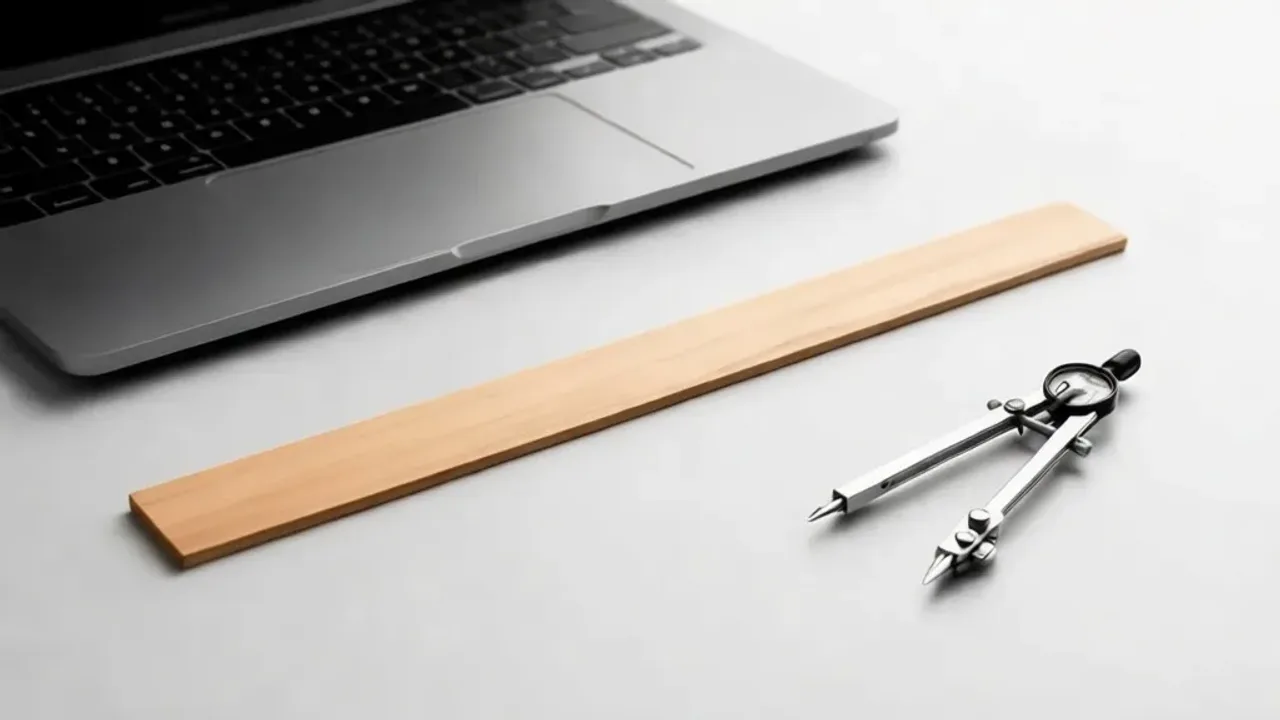 AI-generated image
Key Takeaways:
- Fifteen inches equals exactly 1.25 feet or 38.1 centimeters.
- The inch relies on a global standard of 2.54 centimeters.
- Always verify if measurements refer to diagonal or diameter dimensions.
- Using precise metric conversions ensures accuracy in international projects.
Visualizing and Converting 15 Inches
To truly understand the scale of 15 inches, it helps to look at how this length translates into various systems of measurement. When someone asks how big is 15 inches, they are often looking for a clear comparison to standard units of length. The following table provides the exact values for quick reference, ensuring you can convert between imperial and metric units with ease.
| Unit | Equivalent Value |
|---|---|
| Feet | 1.25 feet |
| Centimeters | 38.1 centimeters |
| Millimeters | 381 millimeters |
| Meters | 0.381 meters |
| Inches | 15.0 inches |
Standardization of Measurement
The inch is a formal unit of length within the United States customary system. It is defined by a rigid ratio of one inch to 2.54 centimeters. This mathematical constant allows for seamless transitions between imperial and metric systems. Because of this, global components remain compatible across different manufacturing regions. Engineering relies on this constant for precision.
When you work with these units, consistency is everything. Always check your measuring tools for calibration. A high-quality ruler or tape measure will provide the accuracy required for professional design or construction work. The standard persists because it is reliable and broadly understood.
- Always check if the length is linear or diagonal.
- Keep a reliable conversion chart near your workspace.
- Use a steel ruler for precision tasks rather than flexible tape.
- Verify your measurements in a well-lit environment.
Practical Applications in Daily Life
In the consumer technology market, 15 inches is a common diagonal screen size for laptops. This specific size has been a favorite for years because it balances screen real estate with portability. It is a standard for many professionals who need a larger display for spreadsheets or design work but still require a device that fits in a standard backpack.
Beyond electronics, this length is frequently encountered in the automotive sector, specifically regarding wheel diameters. A 15-inch wheel is a common standard for many passenger vehicles. It affects the choice of tires and the overall performance of the vehicle. If you wonder how big is 15 inches in this context, consider the diameter of the metal rim itself, which dictates the size of the rubber tire required for safety and optimal handling.
Furthermore, standard office supplies often feature this length. Rulers are frequently manufactured at this size to accommodate standard paper dimensions. It is a versatile length. Drafting and design work often rely on this scale to ensure that blueprints and sketches are accurate. Whether you are in an office or a workshop, this measurement is a common sight.
- Laptops and computer monitors
- Automotive wheel rims
- Standard office rulers
- Drafting and specialized craft tools
- Mechanical components and hardware
Understanding Measurement Precision
Precision is important in every field. When dealing with a measurement of 15 inches, it is easy to assume that 38 centimeters is "close enough." However, in engineering or precision manufacturing, that 0.1 centimeter difference can lead to significant errors. Always use the full conversion factor of 2.54 to maintain integrity in your work.
If you are working on a project that involves both imperial and metric components, create a guide for your team. This prevents confusion and ensures that every part fits exactly as intended. It is a simple step, but it saves time and prevents wasted materials. Accuracy matters.
Frequently Asked Questions
How do I convert 15 inches to feet?
To convert inches to feet, you simply divide the number of inches by 12. Since 15 divided by 12 is 1.25, the result is exactly 1.25 feet. This is a simple calculation that helps with basic spatial planning.
Is 15 inches the same as 38 centimeters?
It is actually 38.1 centimeters. While 38 centimeters is a common approximation for casual use, the additional 0.1 centimeter is vital for any professional or technical application where precision is required.
Why is 15 inches a common size for screens?
The 15-inch diagonal measurement offers a perfect balance between screen real estate and portability. Many mobile devices use this size to ensure that users have enough space to work comfortably while still being able to carry the device in a standard bag.
Does the 2.54 centimeter standard apply to all inches?
Yes, the inch is defined as exactly 2.54 centimeters across all international applications. This universal standard ensures total consistency for engineering, manufacturing, and trade, preventing discrepancies between different regions of the world.
How can I measure 15 inches without a ruler?
If you lack a ruler, you can use a standard sheet of paper, which is roughly 11 inches long, as a rough reference, though a measuring tape is always preferred. Always ensure the tape is pulled taut to avoid skewed measurements. Accuracy is key.
Fifteen inches is precisely 38.1 centimeters, serving as a standard reference for electronics and mechanical parts. Always utilize the exact 2.54 conversion factor to ensure accuracy in your measurements.
Share: