When investigating the human form, one often seeks a comprehensive list of body parts that start with w to better comprehend our complex physical makeup. These specific anatomical structures, ranging from the wrist to the wisdom tooth, are essential for daily function, structural integrity, and overall physical health. Understanding these components is not merely an academic exercise; it provides the foundation for recognizing how our bodies move, support weight, and interact with the physical world.
Word ListsNovember 20, 2026
Body Parts That Start With W: Wrist, Waist, and More
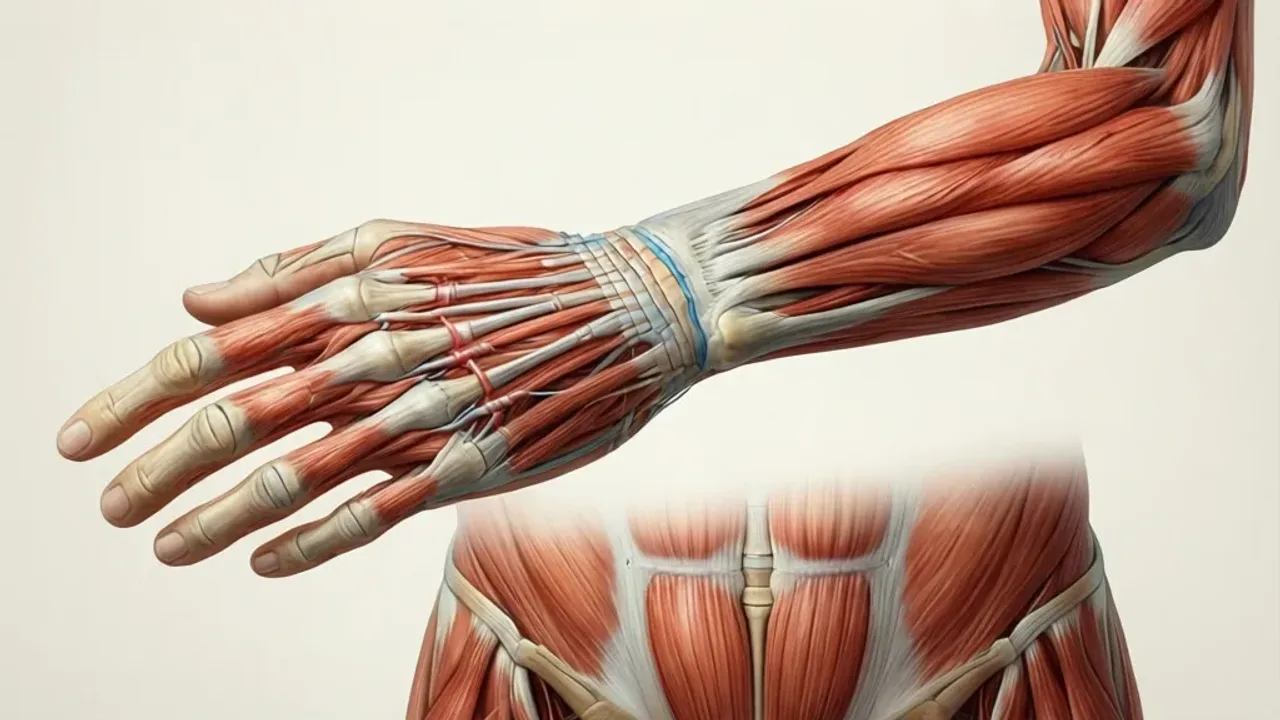 AI-generated image
Key Takeaways:
- The primary examples of body parts that start with w include the wrist, the waist, the white of the eye, and the wisdom tooth.
- Each structure fulfills a specialized role, such as the wrist facilitating complex movement or the white of the eye providing structural protection.
- Monitoring the development of a wisdom tooth or the health of the wrist is a standard, necessary practice in clinical settings.
- Understanding these anatomical features is vital for clear communication in medical, educational, and professional health contexts.
Anatomical Functions and Detailed Descriptions
The human body relies on a vast array of structures to maintain balance, facilitate movement, and protect internal systems. Understanding the role of each part is fundamental for general health awareness. It is a fascinating subject. Many people overlook these essential features in their daily lives, yet they remain critical to our survival and comfort.
- The wrist acts as the primary hinge between the forearm and the hand, allowing for a wide range of motion, including rotation, flexion, and extension.
- The waist serves as the region between the thorax and the pelvis, often acting as a center of gravity for the torso while supporting the spine.
- The white of the eye provides structural integrity and protection for the inner components of the visual system, maintaining the ocular shape.
- A wisdom tooth is a final set of molars that typically emerge during early adulthood, often requiring monitoring due to jaw space.
- A whorl refers to a spiral pattern of hair growth found on the scalp, which is a unique feature of human dermal development.
- A w-shaped bone may be referenced in specific studies concerning comparative skeletal morphology, particularly in non-human species.
Comparative Analysis of Anatomical Structures
When we examine body parts that start with w, we find that their functions are as diverse as their locations. The wrist, for instance, is a marvel of engineering, composed of eight carpal bones. The waist, meanwhile, is defined by the soft tissues and musculature that bridge our upper and lower body. By comparing these, we gain a better perspective on human physiology.
| Body Part | Primary Function | Anatomical Location |
|---|---|---|
| Wrist | Flexibility and rotation | Distal forearm |
| Waist | Core support | Midsection |
| White of the eye | Protection | Ocular surface |
| Wisdom tooth | Mastication | Posterior jaw |
Guidelines for Anatomical Identification
Identifying these structures accurately is the first step toward better health management. Whether you are a student or simply curious, these guidelines help. Follow them closely.
- Locate the target structure relative to major skeletal landmarks before performing any physical assessment.
- Assess the range of motion for joints like the wrist to ensure optimal function and identify potential stiffness.
- Monitor the growth or development of structures such as the wisdom tooth during regular dental checkups to prevent overcrowding.
- Measure the waist to determine body composition trends, as this is a standard metric used by health professionals to assess metabolic risk.
The Importance of Structural Maintenance
Ensuring the health of the wrist involves regular stretching and strengthening exercises to maintain flexibility and prevent strain. Regarding the waist, maintaining a healthy circumference supports overall spinal alignment and structural stability. Medical professionals at Keck Medicine often emphasize that tracking physical changes in these areas is a useful approach for long-term health monitoring. Institutions like UCLA and LACMA have also hosted exhibits that explore the intersection of human anatomy and art, highlighting the mechanical beauty of these regions.
When searching for accurate information regarding body parts that start with w, it is important to rely on recognized anatomical definitions to ensure precision. This clarity helps individuals better understand their own physiology and the requirements for maintaining a healthy, functional body. Precision is key. Without it, confusion arises.
Clinical Perspectives on Anatomical Health
In the field of medicine, the anatomy of the wrist is frequently studied due to the prevalence of carpal tunnel syndrome and other repetitive strain injuries. Clinicians use specific tests to evaluate the nerves and tendons passing through the wrist. Similarly, the wisdom tooth is a subject of frequent dental intervention. Because the human jaw has evolved to be smaller over time, the wisdom tooth often lacks the necessary room to erupt properly. Consequently, extraction is a common procedure.
The waist is equally significant in the context of cardiovascular health. Excess adipose tissue in this region is often linked to an increased risk of metabolic issues. By focusing on the waist, healthcare providers can offer more personalized advice on nutrition and physical activity. These areas serve as key markers for overall wellness.
Integration of Anatomy in Daily Life
We use our wrists every single day. From typing on a keyboard to lifting a heavy box, the wrist is involved in almost every manual task. Similarly, we rely on the core muscles near the waist for every step we take. Even the white of the eye plays a role in non-verbal communication, as its visibility allows others to see where we are looking. It is quite remarkable.
Understanding these body parts that start with w helps us appreciate the complexity of our existence. It is not just about names; it is about how these parts work together to sustain us. Whether you are looking at the structure of a wrist or the development of a wisdom tooth, you are looking at the result of millions of years of evolutionary refinement.
Frequently Asked Questions
What is the primary function of the white of the eye?
The white of the eye, also known as the sclera, provides a tough, protective outer layer for the eyeball. It maintains the shape of the eye and serves as an anchor for the muscles that control ocular movement.
When does a wisdom tooth typically emerge?
A wisdom tooth usually begins to erupt during the late teens or early twenties. Because of limited space in the jaw, some individuals may require professional evaluation of their development to prevent impaction.
How is the waist defined in medical terms?
The waist is defined as the narrowest part of the torso, situated between the bottom of the ribcage and the top of the hip bones. It is a critical landmark for assessing overall body structure and metabolic health.
What defines a wrist?
The wrist is the joint complex where the radius and ulna of the forearm meet the carpal bones of the hand. It is essential for the range of motion required for daily tasks such as gripping, rotating, and lifting.
Are there other body parts that start with w?
While the wrist, waist, white of the eye, and wisdom tooth are the most common, other terms like a whorl of hair also exist within anatomical descriptions. These terms help categorize specific structural features of the human body for educational purposes and comparative biological studies.
Summary of Anatomical Knowledge
Proper identification of anatomical structures is essential for maintaining health and mobility. Prioritize regular checkups for joints like the wrist and monitor dental development to ensure long-term physical well-being.
Share: