The study of human anatomy is a vast field, often categorized by the specific structures that allow the body to function. When examining the specific body parts that start with k, several critical components emerge that are essential for movement, protection, and internal filtration. From the structural integrity of the knee to the complex biochemical processes within the kidneys, these parts illustrate the diversity of biological systems.
Word ListsNovember 18, 2026
Body Parts That Start With K: Knee, Patella, and Kidneys
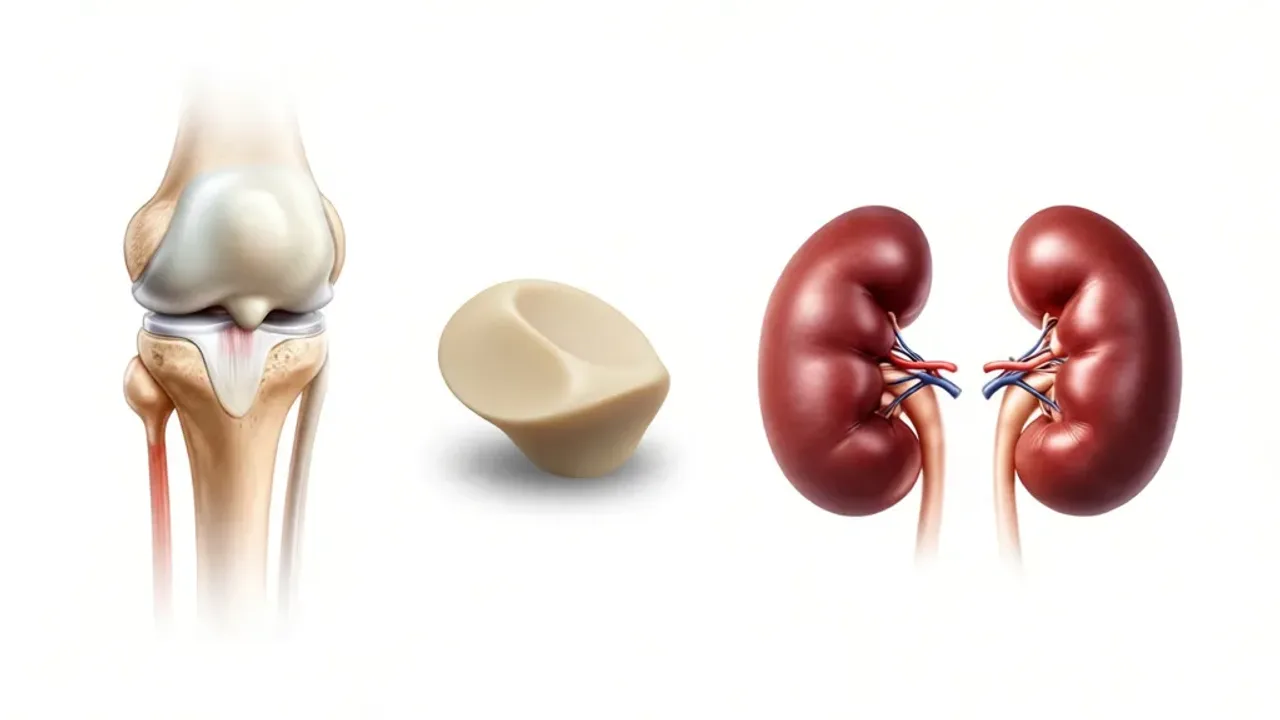 AI-generated image
Key Takeaways:
- The knee serves as the primary hinge joint connecting the thigh to the lower leg.
- The patella acts as a protective shield for the knee and assists in muscle leverage.
- The kidneys are vital organs that function as the core of the renal system.
- Keratinocytes are the most common cell type in the epidermis, producing keratin.
Anatomical Terms Beginning With K
Anatomy is a precise science. Understanding these terms requires looking at both skeletal components and cellular structures. Each of these parts plays a distinct role in maintaining the health and functionality of the human body.
- Knee: The complex hinge joint involving the femur, tibia, and meniscus. It is the largest joint in the body and is critical for both stability and mobility.
- Patella: The sesamoid bone that articulates with the femur. It is commonly known as the kneecap and provides a pivot point for the quadriceps.
- Kidneys: The bean-shaped organs responsible for blood filtration. They regulate electrolytes and maintain fluid balance within the renal system.
- Keratinocytes: The primary cells responsible for producing keratin in the epidermis. They are essential for the maintenance of the skin barrier.
- Meniscus: The cartilage within the knee that provides cushioning. It absorbs shock during movement and prevents bone-on-bone friction.
- Knuckles: The joints formed by the metacarpophalangeal joints. These allow for the complex grasping and manipulation tasks performed by the fingers.
- Stratum corneum: The outer layer of the skin composed of keratin. It serves as the primary physical barrier against environmental pathogens.
- Renal cortex: The outer portion of the kidney that houses nephrons. It is the location where blood filtration begins.
- Phalangeal joint: The specific articulation point found in the knuckles. These joints are vital for the dexterity of the hand.
Classification of Anatomical Structures
Structure defines function. By classifying these parts, we can better appreciate how the body organizes its resources. The following table provides a clear comparison of these elements and their respective systems.
| Term | Primary Function | System |
|---|---|---|
| Knee | Movement and stability | Skeletal |
| Kidneys | Blood filtration | Renal system |
| Patella | Protection of the knee | Skeletal |
| Keratinocytes | Barrier production | Integumentary |
| Meniscus | Shock absorption | Skeletal |
| Knuckles | Digital manipulation | Skeletal |
The Role of the Knee and Patella
The knee is arguably one of the most mechanically complex joints in the human frame. It must support the entire weight of the body while allowing for a wide range of motion. The patella sits at the anterior aspect of this joint, effectively acting as a pulley system. When the quadriceps contract, the force is transferred through the patella, allowing the lower leg to extend with efficiency.
Without the meniscus, the impact forces generated during walking or running would quickly degrade the bone surfaces. This cartilage is essential for long-term joint health. Injuries to this area often involve the ligaments or the cartilage itself, which highlights how fragile yet resilient these structures are.
Deep Dive Into the Renal System
The kidneys are the unsung heroes of daily physiological function. The renal system processes hundreds of quarts of blood every single day, removing waste products and extra water to form urine. The process occurs within the functional units known as nephrons, which are primarily located in the renal cortex.
Maintaining healthy kidney function is critical for blood pressure regulation and the production of red blood cells. Because these organs are so active, they require a constant, high-volume blood supply. The bean-like shape is not just aesthetic; it is an efficient design that maximizes the surface area for filtration within the abdominal cavity.
Understanding the Integumentary Barrier
The skin is the largest organ of the body, and its protective capacity is largely owed to the keratinocytes. These cells undergo a process of differentiation as they migrate toward the surface. By the time they reach the stratum corneum, they are flattened and filled with keratin, providing a tough, water-resistant barrier.
This process is continuous. As old cells are shed, new ones take their place. This cycle ensures that the body remains protected from physical trauma, sunlight, and infection. Understanding this cellular turnover is key to understanding dermatological health and wound healing.
Educational Guidelines for Students
Learning anatomy requires focus. Follow these steps for clarity and retention of these complex biological concepts:
- Identify the knee as a weight-bearing joint during physical activity.
- Understand that the patella acts as a mechanical lever for the quadriceps muscle.
- Recognize the renal system as the body's primary filtration network for blood.
- Study the stratum corneum to understand how the body maintains its physical barrier.
- Differentiate between the structural role of bones and the functional role of internal organs.
- Analyze how the knuckles function as hinge points for daily interaction with the environment.
- Review the location of the renal cortex to understand where filtration begins.
Why is the knee joint considered the most complex?
The knee involves multiple bones, ligaments, and cartilage pieces working in unison. It must provide both stability for standing and flexibility for movement.
What is the exact location of the patella?
The patella is located directly over the anterior surface of the knee. It is embedded within the tendon of the quadriceps muscle.
How often does the skin regenerate via keratinocytes?
The cycle of skin regeneration varies, but generally, the outer layer is replaced every few weeks. This ensures the integrity of the barrier.
Frequently Asked Questions
What are the primary body parts that start with k?
The most commonly recognized body parts that start with k are the knee, the patella, and the kidneys. These structures are integral to skeletal and renal system functions.
What is the function of the patella?
The patella acts as a shield for the knee. It provides a mechanical advantage for muscles, allowing for stronger leg extension.
How do the kidneys contribute to the body?
The kidneys filter waste from the blood. They maintain fluid balance and electrolyte levels throughout the entire system.
Where are the knuckles located?
The knuckles are the metacarpophalangeal joints. They connect the bones of the hand and are essential for finger movement.
What is the role of keratinocytes?
These cells produce keratin. This protein forms the stratum corneum, which protects the internal tissues from environmental factors.
Are kidneys part of the skeletal system?
No, kidneys are part of the renal system. They are organs responsible for filtration, while bones form the skeletal structure.
Summary
Understanding the anatomical body parts that start with k is essential for a basic grasp of human biology. Focus on the specific functions of the knee, patella, and kidneys to master these foundational terms.
Share: