The study of animals that start with n reveals a fascinating variety of biological adaptations found across the globe. Whether observing the arctic narwhal or the ground-dwelling numbat, each species offers unique insights into the diversity of the natural world.
Word ListsSeptember 24, 2026
Animals That Start With N: Narwhals, Newts, and Nighthawks
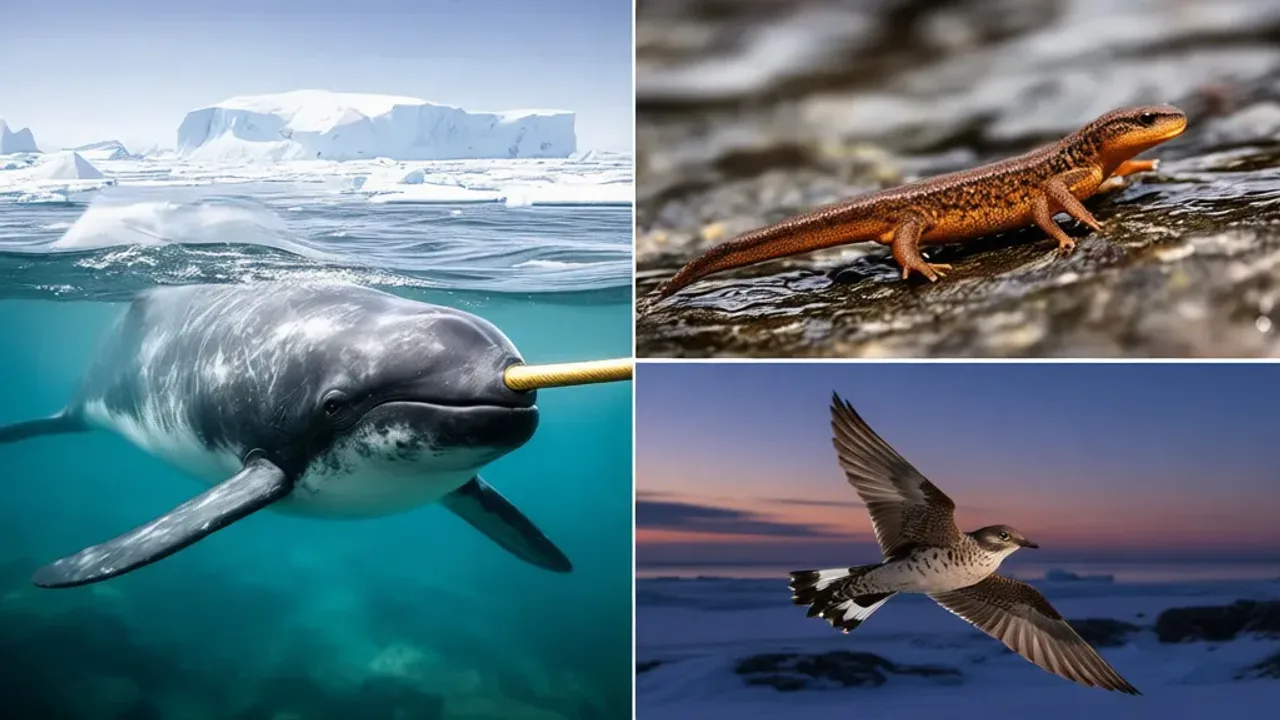 AI-generated image
Key Takeaways:
- The narwhal is a toothed whale known for its long, spiraling tusk.
- Many animals that start with n occupy specialized niches.
- Understanding the scientific classification helps identify specific needs.
- Conservation efforts remain essential to maintain the protection status of several species.
Educational Fact Sheets
- The narwhal is a medium-sized toothed whale that possesses a large, spiraling tusk.
- Newts are semi-aquatic amphibians that undergo significant physical changes throughout their life cycles.
- The nighthawk is a bird known for its erratic flight patterns and specialized insect hunting.
- Numbats are small, insectivorous animals native to Western Australia that feed primarily on termites.
- The neotropical otter is a mammal known for its sleek fur and affinity for riverine ecosystems.
- Nile crocodiles are large reptiles capable of reaching lengths of over 16 feet.
- Nudibranchs are soft-bodied marine mollusks that display vibrant colors as a warning to predators.
- The nutcracker is a passerine bird that displays remarkable memory by caching thousands of seeds.
- The nightingale is a small passerine bird famous for its powerful and beautiful song.
- Newfoundland dogs are large, strong working breeds known for their water rescue capabilities.
Comparative Overview of Select Species
| Species | Primary Native Range | Dietary Category |
|---|---|---|
| Narwhal | Arctic Waters | Carnivore |
| Numbat | Western Australia | Insectivore |
| Nile Crocodile | African River Systems | Carnivore |
| Nutcracker | Coniferous Forests | Omnivore |
| Nightingale | Europe and Asia | Insectivore |
Preparation and Observation Guidelines
- Research the specific native range of the animal.
- Maintain a respectful distance.
- Use binoculars to document observations.
- Consult local guides for the most current information.
- Record the time and specific behaviors.
- Avoid flash photography in low light.
- Stay on marked trails to protect the natural environment.
- Bring adequate supplies for long sessions.
Creative Descriptions for Educators
- Imagine a narwhal gliding through icy waters.
- Watch the newt emerge from the pond.
- The nighthawk swoops silently through the evening sky.
- A numbat scampers across the forest floor.
- Observe the sleek form of the neotropical otter.
- The Nile crocodile waits patiently near the water.
- Deep beneath the waves, the nudibranch moves like a living jewel.
- The nutcracker diligently hides its treasures.
- The nightingale sings a melancholic tune at dawn.
- The Newfoundland dog dives into the surf with purpose.
Professional Scientific Classification
- Monodon monoceros belongs to the family Monodontidae.
- The genus Notophthalmus encompasses several species of newts.
- Chordeiles minor is a member of the family Caprimulgidae.
- Myrmecobius fasciatus is the scientific classification for the numbat.
- Lontra longicaudis is categorized within the Mustelidae family.
- Crocodylus niloticus represents the Nile crocodile.
- The clade Nudibranchia consists of various marine gastropods.
- Nucifraga caryocatactes is the taxonomic name for the spotted nutcracker.
- Luscinia megarhynchos identifies the common nightingale.
- Canis lupus familiaris is the ancestor of the large Newfoundland breed.
Frequently Asked Questions
What is the most famous animal that starts with n?
The narwhal is widely considered the most iconic animal due to its distinctive appearance. It remains a subject of intense scientific fascination World Wildlife Fund.
Are all animals that start with n endangered?
No. Protection status varies significantly among species. Local environmental health dictates their survival IUCN Red List.
Can these descriptions be used for educational projects?
Yes. These summaries are formatted specifically for classroom presentations and creative writing National Geographic.
How do I identify a nighthawk in the wild?
Identify a nighthawk by its erratic flight. They hunt insects during twilight hours. Look for them in open areas.
Why is the protection status of the numbat important?
The numbat plays a role in its local ecosystem. Protecting it ensures the balance of biodiversity Australian Museum and Nature Journal.
Deep Dive: The Arctic Narwhal
The narwhal is a specialized species. It lives in the arctic. Its tusk is unique. Scientists study it closely. This animal is elusive. It avoids human contact. The arctic waters are cold. It thrives there. Many myths surround this whale. It is quite large. It measures up to 16 feet. Males have longer tusks. These tusks are teeth. They are ivory. This species is vital for arctic health.
Understanding Numbat Behavior
Numbats are small. They eat termites. They are active during the day. This is rare for marsupials. They live in Western Australia. The natural environment is their home. They have stripes. The stripes provide camouflage. Numbats have many teeth. They are very specialized. They consume thousands of termites daily. Termites are their primary food source. They are fast. They are agile. They are fascinating to watch.
The Ecological Role of Nudibranchs
Nudibranchs are marine mollusks. They lack shells. They are colorful. Colors warn predators. They are toxic. Some species are small. Others grow large. They live in reefs. Reefs are delicate. Nudibranchs eat sponges. Sponges are common. They move slowly. They are beautiful. Underwater photographers love them. They are diverse.
Nile Crocodile Dynamics
Nile crocodiles are large predators. They hunt in rivers. They are apex animals. They grow very long. Some are over 16 feet. They have powerful jaws. They are patient. They wait for prey. The river is their home. They are social. They bask in the sun. Sunning helps them warm up. This is necessary for metabolism. They are ancient. They have existed for ages.
The Nightingale's Song
Nightingales are famous birds. They sing at night. They also sing during the day. Their songs are complex. They are lyrical. Many composers love them. They live in dense shrubs. They are hard to see. They are small. They are brown. Their song is their signature. They migrate long distances. They are resilient.
Summary
Understanding these biological traits provides a clearer perspective on global biodiversity. Always prioritize the natural environment when conducting observations.
Share: