The primary difference between these terms is that "seal" is a standard, versatile word used for fastening or closing objects, while "seel" is a rare, archaic term restricted to the historical practice of falconry. Understanding the distinction in seal vs seel is essential for maintaining accuracy in your writing. While one is a common staple of modern language, the other remains a linguistic relic.
SpellingOctober 8, 2026
Seal vs. Seel: Definitions and Correct Usage Explained
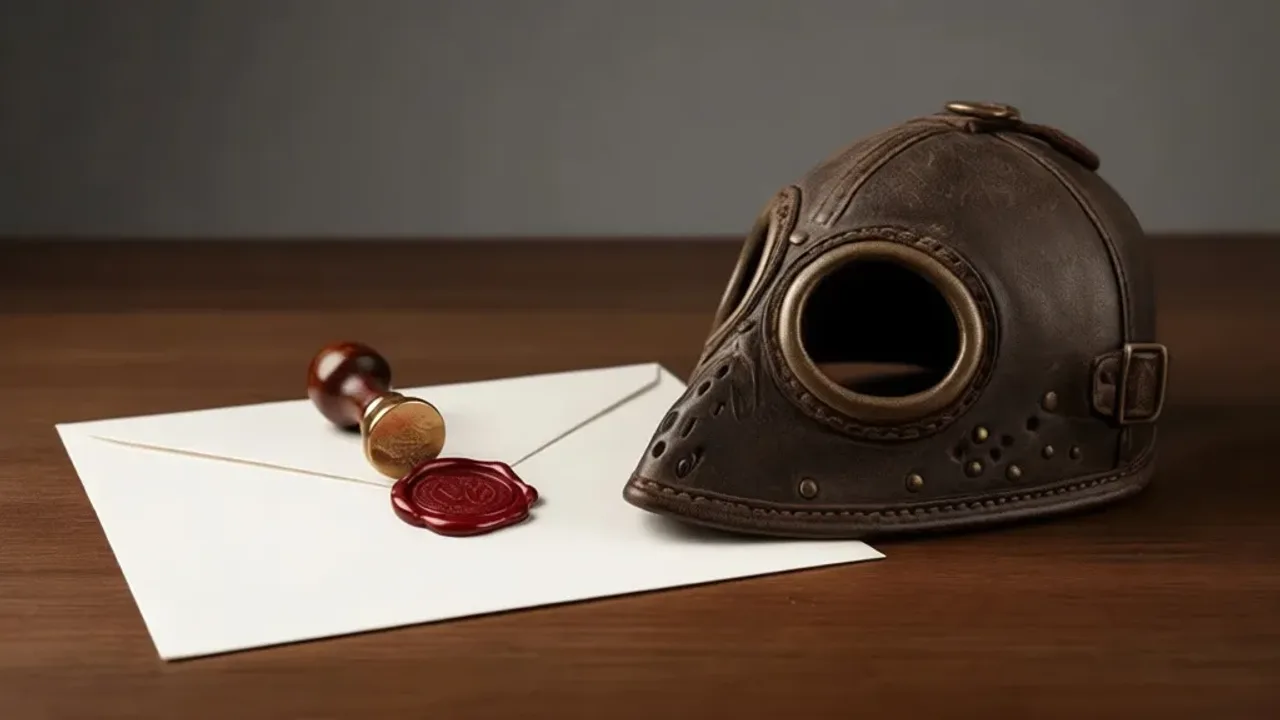 AI-generated image
Key Takeaways:
- "Seal" is the correct term for closing envelopes, packages, or containers.
- "Seel" is an archaic word that is effectively obsolete in modern English.
- Always use "seal" in professional or personal communication.
- Any appearance of "seel" in standard text is almost certainly a misspelling.
| Feature | Seal | Seel |
|---|---|---|
| Commonality | Everyday word | Rare, archaic |
| Primary Meaning | To close or fasten | To sew hawk eyelids |
| Modern Usage | Widely used | Almost never used |
| Context | Envelopes and containers | Historical falconry |
Defining the Word Seal
The word "seal" serves multiple functions in the English language, primarily as both a noun and a verb. As a verb, it describes the act of closing something tightly to prevent the passage of air, liquid, or unauthorized access. You seal an envelope before mailing it, you seal a container to keep food fresh, and you seal a contract to make it official. The versatility of this term makes it one of the most frequently used words in both business and daily life.
Beyond its utilitarian function, "seal" also refers to an official mark or device used to authenticate a document. Throughout history, wax seals were used to secure correspondence and prove the identity of the sender. Today, this concept persists in the form of embossed stamps or digital seals used in legal and professional environments. Given its ubiquity, it is easy to see why this term is a fundamental part of the American English lexicon.
Understanding the Archaic Term Seel
In contrast to the common usage of "seal," the term "seel" is highly specialized and largely absent from modern vocabulary. Its roots are found in the history of falconry, an ancient practice involving the training of birds of prey. Specifically, "seel" refers to the act of sewing together the eyelids of a hawk or falcon to keep the bird calm during the initial stages of training.
Because falconry is no longer a mainstream activity, the word "seel" has fallen out of common usage. It does not appear in modern dictionaries as a standard verb for closing or fastening. If you encounter this spelling in a contemporary document, it is almost certainly a typographical error meant to be "seal." Using the term "seel" in a standard email or professional report would be considered incorrect and would likely cause confusion for your audience.
When to Use Which
Use seal when you intend to close an envelope, secure a package, or verify a document with an official stamp. It is the correct choice for all standard communication. Avoid using seel in any professional or casual context. Most readers will consider it an error. Reserve this term strictly for historical texts about training hawks. It is obsolete.
Why These Words Are Confused
The confusion regarding seal vs seel arises from their identical pronunciation and similar spelling. Because seal is a high-frequency word, individuals often assume seel is a valid alternative. They share no common linguistic function. The phonetic similarity is purely accidental. The rarity of the word seel means most people never encounter it in standard literature. Any instance of this word in a typical message is simply a misspelling.
- Verify your spelling before sending correspondence.
- Use "seal" for all standard tasks.
- Check a dictionary if you encounter "seel" to see if the context is historical.
- Always prioritize clarity over potentially confusing archaic terms.
Frequently Asked Questions
Is "seel" just an alternative spelling for "seal"?
No, it is not. They are distinct words with different meanings and different historical origins.
Can I use "seel" when mailing an envelope?
No, you should always use "seal." Using "seel" would be incorrect and confusing, as it carries a completely different meaning related to falconry.
Is "seel" a word I should ever use?
For the vast majority of people, no. It is an archaic, obsolete term that serves no purpose in modern, everyday English.
What does "seel" mean in a dictionary?
In a dictionary, "seel" is defined as a falconry term for sewing a hawk's eyelids shut. It lacks the common meaning of closing or fastening that "seal" possesses.
Why do people search for "seal vs seel"?
They sound identical when spoken aloud. This phonetic similarity leads people to question if "seel" is a legitimate variation of the more common "seal."
To summarize, the word "seal" is the only correct term for everyday tasks involving closing or fastening objects. Always avoid the archaic term "seel" unless you are specifically describing historical falconry practices.
Share: