The study of entomology reveals that insects that start with k include the katydid, the ked fly, and the kiln beetle. These diverse organisms showcase unique evolutionary adaptations that allow them to thrive in their respective ecosystems across the globe.
Word ListsNovember 3, 2026
Insects That Start With K: Katydids, Ked Flies, and Kiln Beetles
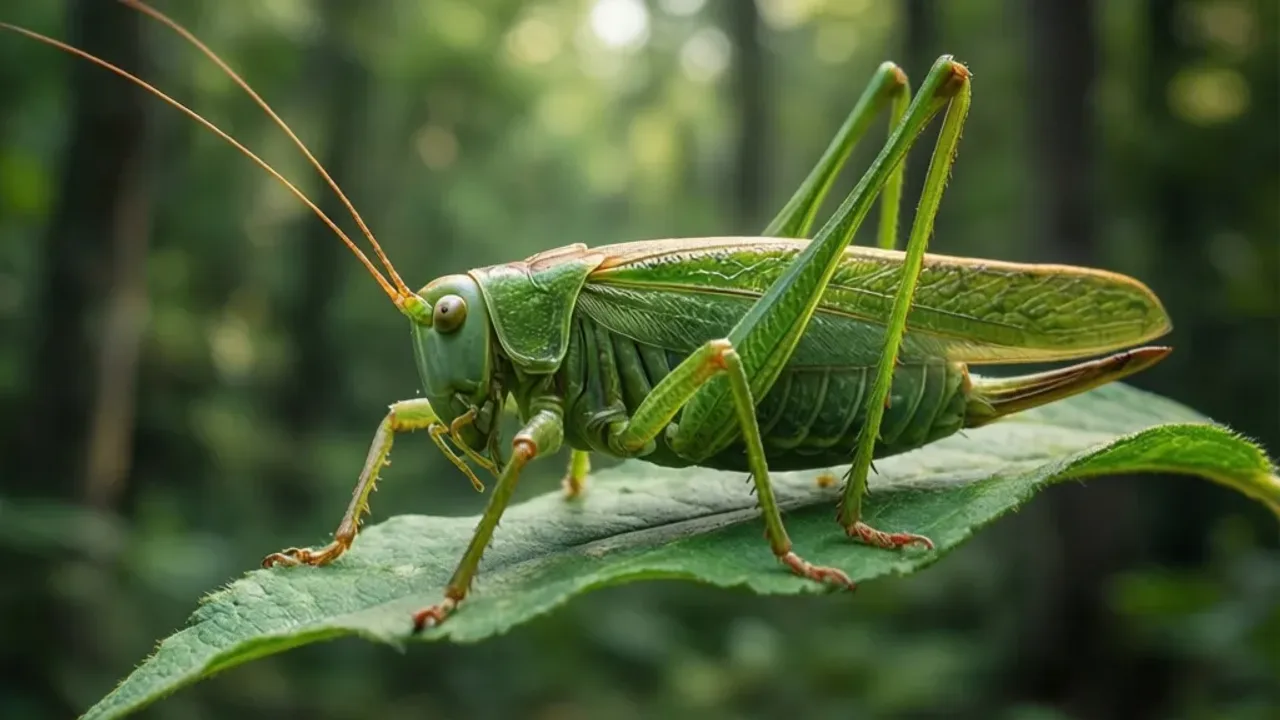 AI-generated image
Key Takeaways:
- The primary examples of insects that start with k consist of the katydid, the ked fly, and the kiln beetle.
- Each species displays specific physical characteristics suited to its natural habitat.
- Taxonomic classification provides a structured framework for identifying these organisms.
- Understanding insect behavior helps in recognizing their ecological roles in the wild.
Educational Descriptions of Insect Species
Insects that start with k vary significantly in appearance and ecological function. The katydid is a member of the Tettigoniidae family, widely known for its vibrant green color and specialized leaf-like appearance. This mimicry provides a massive advantage against predators in dense foliage. Ked flies are specialized, wingless parasites that reside primarily on the bodies of sheep and other mammals. They have evolved to lose their wings, focusing instead on mobility through thick animal fur. Kiln beetles are often associated with environments where heat and wood interact, completing their life cycle in specific, often industrial or natural, wood-based habitats.
Katydids are famous for the rhythmic chirping sounds they produce by rubbing their wings together during the evening. This acoustic signaling is essential for mating and territorial defense. The ked fly possesses a flattened body shape, which allows it to navigate through animal fur with ease. This physical adaptation is common among ectoparasites. Many species of katydids use this camouflage to blend perfectly into the foliage of their natural habitat. The kiln beetle is a sturdy insect that has adapted to survive in various wood-processing conditions that would be lethal to most other species. Katydids are nocturnal insects that remain active during the night to forage for plant material, avoiding the heat of the day.
Comparison of Insect Traits
| Insect Name | Canonical Name | Primary Habitat |
|---|---|---|
| Katydid | Tettigoniidae | Foliage and trees |
| Ked Fly | Melophagus ovinus | Mammalian hosts |
| Kiln Beetle | Various | Wood environments |
Quick Facts for Classroom Use
- Katydids belong to the order Orthoptera, which also includes grasshoppers and crickets.
- The ked fly is technically a type of louse fly that has lost the ability to fly due to evolution.
- A kiln beetle can measure several millimeters in length, depending on the specific species found.
- Katydids are primarily herbivores that feed on leaves, flowers, and seeds.
- Ked flies are known to be hardy insects that thrive in the thick wool of their hosts.
- Most kiln beetles possess a dark, protective exterior that helps them endure their surroundings.
- The life cycle of these insects is often dictated by the availability of their specific food sources.
- Entomologists classify these species based on distinct morphological and genetic traits.
Scientific Summaries for Researchers
Taxonomically, the katydid is classified within the suborder Ensifera, distinguished by remarkably long antennae. Researchers often study the Tettigoniidae family to understand how acoustic signals evolve in response to environmental noise. The ked fly, specifically Melophagus ovinus, exhibits extreme morphological adaptations for a parasitic lifestyle. Its survival depends entirely on the host animal for sustenance and shelter. Kiln beetles belong to specialized families that are often studied in the context of forensic entomology and wood degradation processes.
The acoustic communication of the katydid serves as a vital subject for studying insect signaling behaviors. Scientists have identified hundreds of distinct species, each with a unique call frequency. The life cycle of the ked fly is unique because the female gives birth to a single, fully developed larva, which is a rare reproductive strategy among insects. Research on kiln beetles often focuses on their distribution patterns within industrial and natural wood environments. Katydid populations serve as indicators of ecosystem health in temperate and tropical zones. The physical characteristics of the ked fly allow for continuous survival on a singular mammalian host, demonstrating high evolutionary specialization.
Descriptive Profiles for Nature Enthusiasts
- With its vibrant green wings, the katydid is a beautiful example of nature's mastery of disguise.
- Imagine a tiny creature that mimics a leaf so perfectly that it vanishes before your eyes; that is the katydid.
- The ked fly may not be the most attractive insect, but its adaptation to its host is a marvel of biology.
- Kiln beetles are the quiet workers of the insect world, often going unnoticed in their wood-filled homes.
- Listening to the katydid sing on a warm summer night is a quintessential experience of the outdoors.
- The structural design of the kiln beetle reflects a long history of evolutionary success in challenging habitats.
- Katydids possess long, slender legs that allow them to jump great distances when threatened.
- The ked fly is a testament to how specialized an insect can become to ensure its own survival.
Concise Bulleted Lists for Field Guides
- Katydid: Green color, long antennae, leaf-mimicry, nocturnal.
- Ked Fly: Wingless, parasitic, host-specific, flattened body.
- Kiln Beetle: Wood-dwelling, dark pigmentation, durable exoskeleton, specialized habitat.
- Katydid Behavior: Herbivorous, acoustic signaling, solitary.
- Ked Fly Interaction: Attaches to mammals, blood-feeding, high host-dependency.
- Kiln Beetle Traits: Heat-tolerant, cryptic, wood-boring tendencies.
In-Depth Taxonomic Overviews
Katydids represent the Tettigoniidae family, characterized by their impressive hearing organs, known as tympana, located on their front legs. This placement allows them to detect predators and potential mates from significant distances. The ked fly is a member of the Hippoboscidae family, showcasing the loss of wings as a primary evolutionary trait. This loss is a direct result of their permanent association with a host animal. Kiln beetles are often categorized by their ability to thrive in environments that would be inhospitable to other insects, such as high-temperature drying kilns.
The order Orthoptera provides the foundation for understanding the katydid's complex social and mating calls. The ked fly's reproductive strategy is highly efficient, reducing the risk to offspring by keeping them protected within the female's body until they are ready to pupate. The diversity of the kiln beetle reflects the vast array of wood-related niches available in nature. Each species has developed unique ways to break down cellulose or tolerate heat. These behaviors are essential for the balance of their respective ecosystems. Scientists continue to monitor these populations to track environmental changes.
How to Select Information
When selecting information on insects that start with k, focus on the specific physical characteristics that define each species. Cross-reference their canonical name with common descriptions to ensure the data is accurate for your intended use. Choose descriptions that match the level of detail required for your environment. Identification can be difficult. Patience is required. Use high-quality guides for reference.
Frequently Asked Questions
What are the most common insects that start with k?
The most commonly cited species are the katydid, the ked fly, and the kiln beetle. These insects are frequently mentioned in biological literature (Entomology Society).
Are katydids harmful to humans?
Katydids are generally harmless to humans, though they may bite if handled roughly. They are primarily herbivorous insects that prefer to remain hidden within their natural habitat (Nature Journal).
Do all ked flies live on sheep?
While the sheep ked is the most well-known, various Hippoboscidae species can be found on different mammals and birds. Each species has adapted to specific hosts within its natural habitat to ensure its survival (ScienceDirect).
How do kiln beetles survive in hot environments?
Kiln beetles possess a durable exoskeleton and specialized physiological traits that allow them to thrive in wood-processing environments. They are specifically adapted to handle the unique stressors found in their natural habitat.
What is the taxonomic classification of a katydid?
The katydid belongs to the order Orthoptera and the family Tettigoniidae. This taxonomic classification helps scientists group them with other related insects like crickets and grasshoppers.
The study of specific insect groups provides insight into evolutionary biology. Focus on their physical characteristics. Identification is key. Nature is complex. It remains fascinating.
To conclude, insects that start with k provide a diverse look at how life adapts to niche environments. Focus on the unique traits of these species for better identification.
Share: