The study of aquatic biology often highlights specific groups, such as fish that start with l, which include the largemouth bass, lemon shark, lingcod, and lionfish. These species inhabit diverse environments ranging from the deepest parts of the Pacific Ocean to quiet, freshwater inland lakes. Understanding the biological classification and behavioral patterns of these animals provides significant insight into the health and complexity of global ecosystems. Whether for recreational angling or academic research, identifying these aquatic organisms is a primary task for those interested in marine and freshwater science.
Word ListsOctober 19, 2026
Fish That Start With L: A Complete List of Species
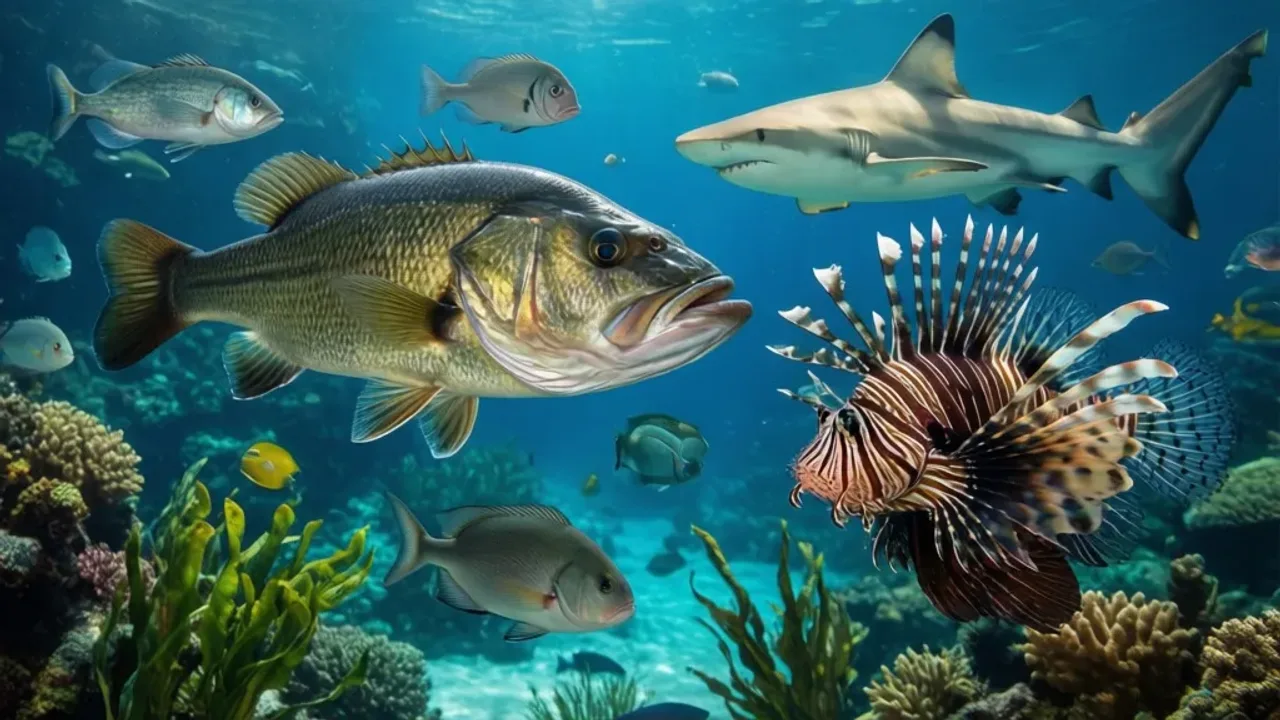 AI-generated image
Key Takeaways:
- The diversity of aquatic biology includes many unique specimens, particularly those classified as fish that start with l.
- Resource centers such as the Los Angeles County Museum of Natural History (LACMNH) and the Southern California Aquarium (SCA) offer extensive databases for identifying these species.
- Anglers and researchers often rely on standardized taxonomic guides to distinguish between freshwater and saltwater varieties.
- Conservation remains a top priority for protecting the natural habitats of diverse aquatic populations.
Scientific and Taxonomic Descriptions
Taxonomy serves as the foundation for biological identification. By categorizing organisms based on shared physical and genetic traits, scientists can better track populations and environmental changes. When examining fish that start with l, researchers look at skeletal structures, scale patterns, and environmental adaptations.
- Largemouth bass (Micropterus salmoides) is a predatory freshwater game fish native to North America, known for its aggressive strike.
- Lemon shark (Negaprion brevirostris) is a species of shark characterized by its yellowish-brown coloration and preference for shallow coastal waters.
- Lingcod (Ophiodon elongatus) is a marine fish found in the North Pacific, known for its distinctive blue-green flesh and large mouth.
- Lionfish (Pterois) are venomous marine fish recognized by their ornate, fan-like pectoral fins and bold, warning stripes.
- Longnose gar (Lepisosteus osseus) is an ancient, primitive fish species featuring a long, slender snout filled with needle-like teeth.
- Lake trout (Salvelinus namaycush) is a freshwater char primarily found in deep, cold lakes across northern regions of North America.
- Lumpfish (Cyclopteridae) are bottom-dwelling marine fish often identified by their rounded bodies and modified pelvic fins used for suction.
- Lanternfish (Myctophidae) are small mesopelagic fish known for their bioluminescent photophores that allow them to thrive in deep-sea conditions.
Educational Summaries for Students
For students, understanding the life cycles of fish that start with l is a gateway into broader ecological concepts. Each species has evolved specific traits to survive in its particular niche. Some rely on camouflage, while others utilize speed or venom for protection.
- Observe the habitat of the largemouth bass to understand freshwater predator-prey dynamics in lakes and ponds.
- Research the migration patterns of the lemon shark to learn how coastal marine life responds to seasonal temperature changes.
- Study the unique anatomy of the lionfish to identify its defensive venomous mechanisms and how they deter predators.
- Examine the role of the lanternfish in the deep-sea food web, specifically how they contribute to the ocean's total biomass.
- Compare the physical adaptations of the longnose gar to those of modern ray-finned fish to witness evolutionary persistence.
- Evaluate the environmental requirements of lake trout, which serve as indicators for water quality in deep, oligotrophic lakes.
- Analyze how lumpfish use their suction-cup fins to remain stationary in high-current oceanic environments.
- Investigate the predatory habits of the lingcod and its importance in maintaining balance within rockfish populations.
Comparison of Selected Species
Comparing these species helps researchers understand the range of sizes and environmental requirements. The table below illustrates the primary habitat and size potential for some of the most prominent fish that start with l.
| Species | Primary Habitat | Maximum Length |
|---|---|---|
| Largemouth Bass | Freshwater | 29 inches |
| Lemon Shark | Saltwater | 120 inches |
| Lingcod | Saltwater | 60 inches |
| Longnose Gar | Freshwater | 72 inches |
| Lake Trout | Freshwater | 50 inches |
Short and Descriptive Fact Sheets
Sometimes, a quick reference is the most effective way to learn. These brief profiles provide clarity for those conducting quick research on various aquatic species.
- Largemouth bass: Powerful freshwater game fish.
- Lemon shark: Distinctive yellow-brown marine predator.
- Lingcod: Pacific fish with blue-green flesh.
- Lionfish: Venomous, ornate tropical marine fish.
- Lake trout: Deep-water cold lake dweller.
- Longnose gar: Primitive fish with long snouts.
- Lanternfish: Deep-sea bioluminescent marine fish.
- Lumpfish: Suction-cup bottom-dwelling marine fish.
Creative and Narrative Profiles
The ocean is a vast, mysterious place. Each species tells a unique story through its behavior and survival tactics. These narratives highlight the essence of these creatures.
- Lanternfish glow in total darkness.
- Lionfish glide through coral reefs.
- Lake trout patrol cold currents.
- Lingcod wait within rocky crevices.
- Lemon sharks cruise shallow flats.
- Longnose gar watch the river.
- Lumpfish cling to the seafloor.
- Largemouth bass strike with speed.
Conservation and Environmental Importance
Maintaining the health of aquatic habitats is vital. Many fish that start with l, such as the lake trout, are sensitive to temperature changes and pollution. Conservation efforts, often championed by organizations working with the Pacific Ocean Marine Sanctuary (POMS), focus on preserving water quality and habitat integrity. By protecting these species, we ensure the stability of the entire food chain, from the smallest lanternfish to the largest predators.
Frequently Asked Questions
Are all species saltwater dwellers?
No, many species such as the largemouth bass, lake trout, and loach are primarily freshwater fish. These rely on lake and river ecosystems for their survival. See FishBase for detailed species distribution maps.
Are lionfish dangerous?
Lionfish possess venomous spines that can cause significant pain, so they are handled with extreme caution in the wild. Their defense system is highly effective against potential threats. Reference NOAA safety guidelines for more information.
How large can a lingcod grow?
Lingcod are known for their size, with some individuals reaching over 60 inches in length. This makes them one of the larger species found in the Pacific. Consult ODFW records for regional size data.
Do lanternfish really glow?
Yes, lanternfish have specialized organs called photophores that produce bioluminescence, allowing them to communicate and attract prey in deep water. This ability is essential for survival in the dark depths of the ocean. Check MBARI research findings.
Where can I find more information?
You can consult scientific databases or visit the LACMNH, SCA, POMS, or SMPA for detailed taxonomic information. Review NMFS reports for current population status updates.
Final Perspectives on Aquatic Diversity
Proper identification of these aquatic species is best achieved by referencing established biological records at institutions like the LACMNH. Understanding the specific habitat and physical traits of fish that start with l ensures accurate classification and effective conservation. Whether you are a student, an angler, or a curious nature enthusiast, these records provide the knowledge required to appreciate the complexity of our planet's aquatic ecosystems. By continuing to support research and conservation, we protect these species for future generations.
Share: